‘CULTURAL SIMILITUDES’ BY LAURA JEAN ZITO
11 September until 9 October 2026
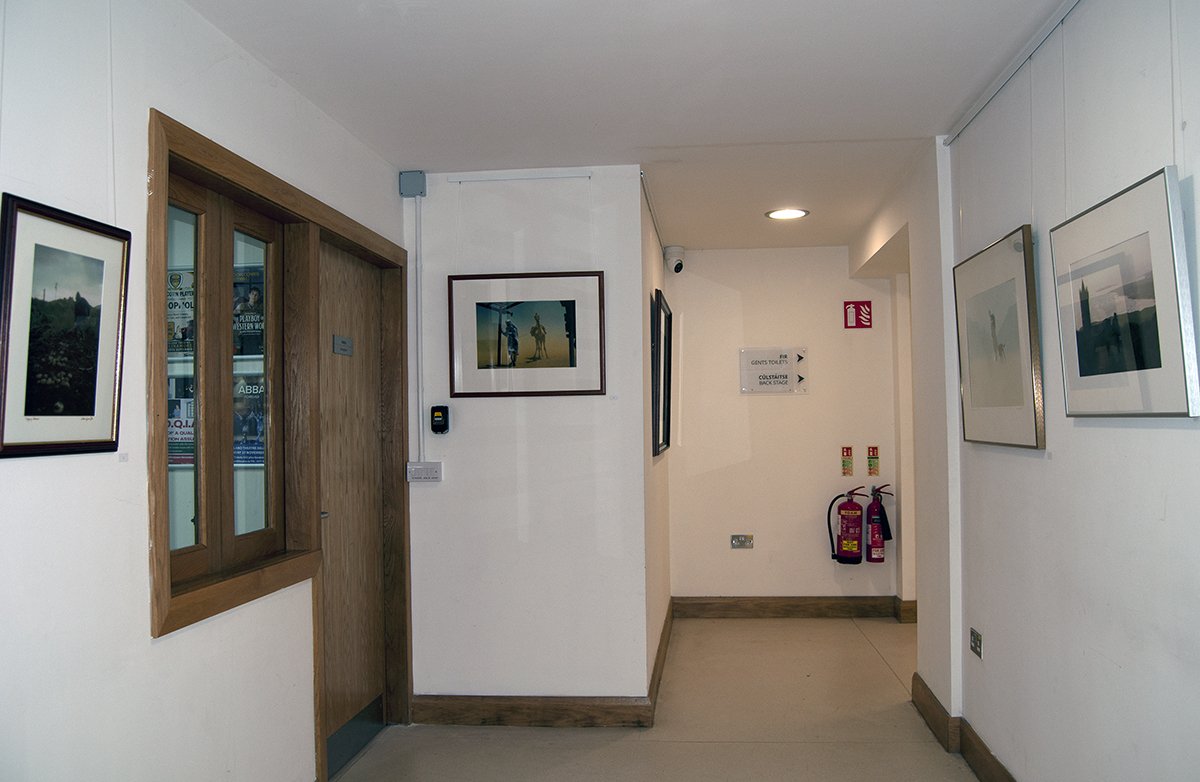
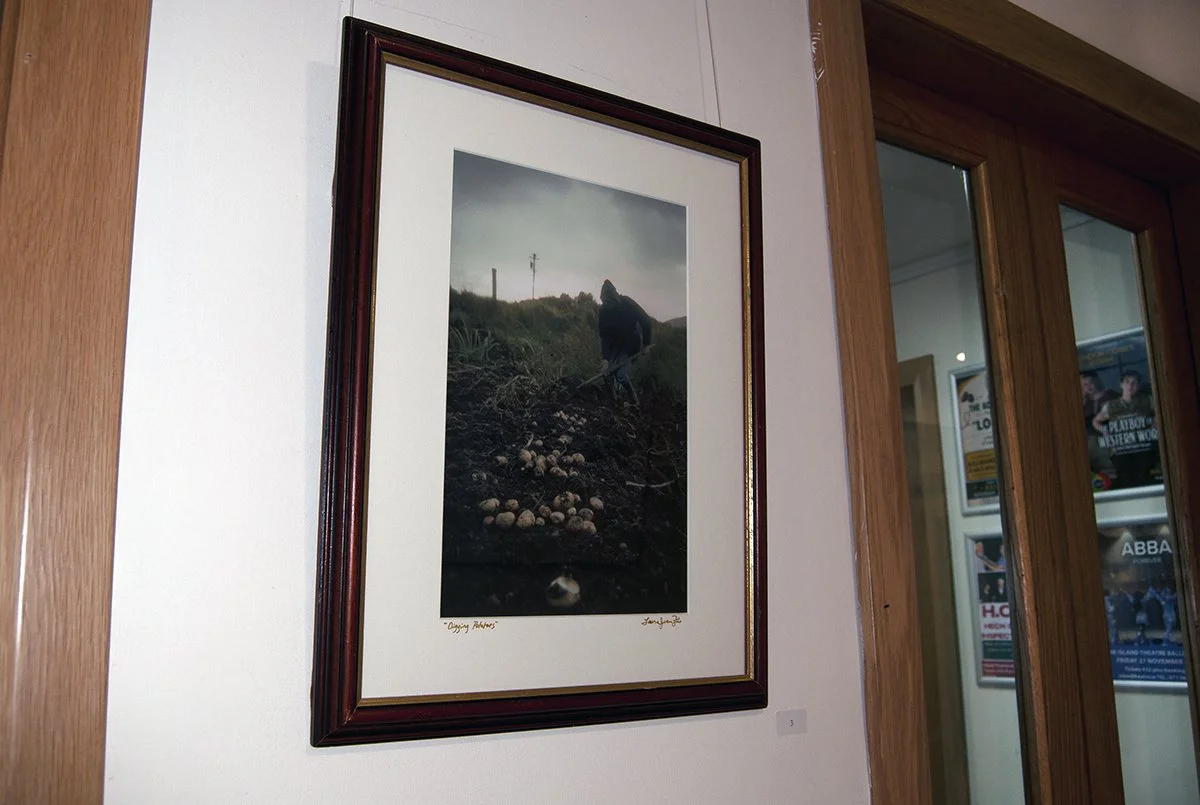
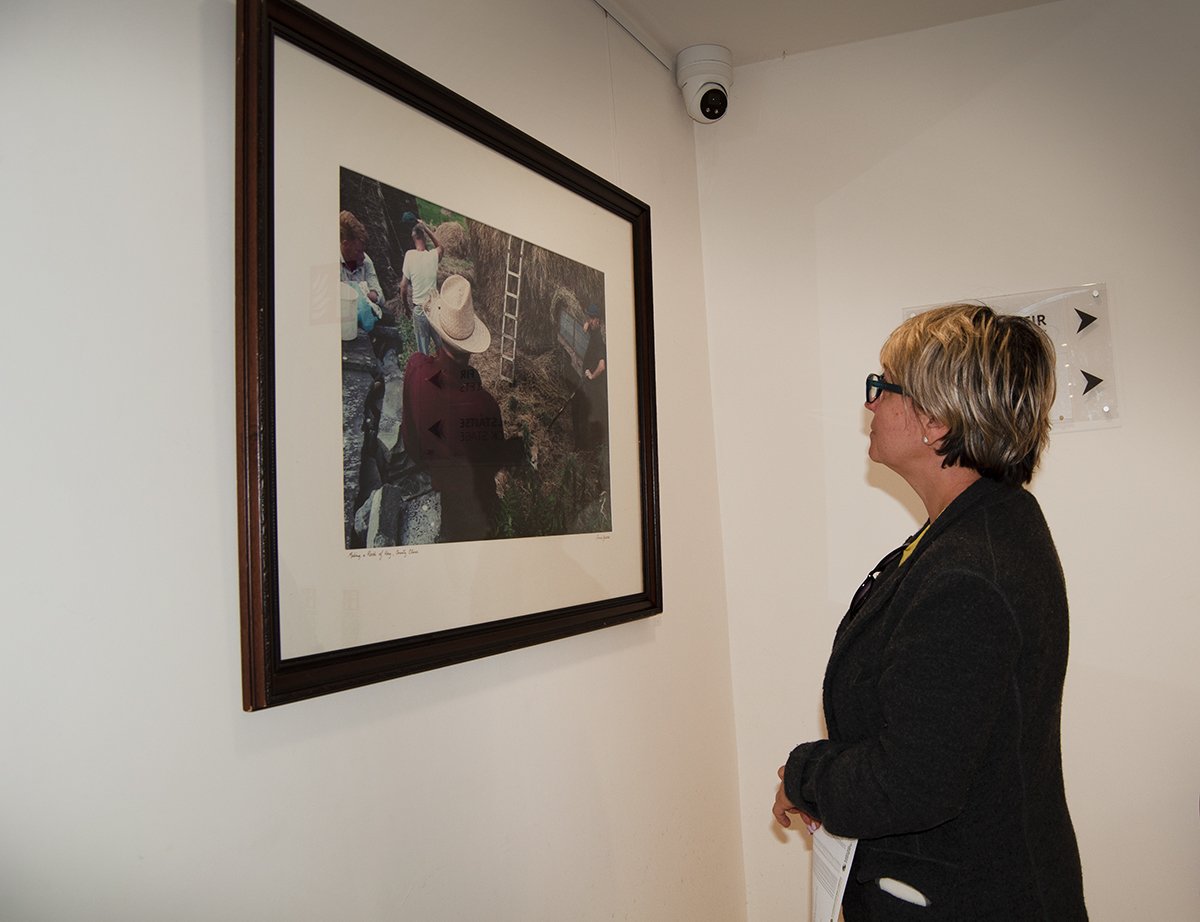
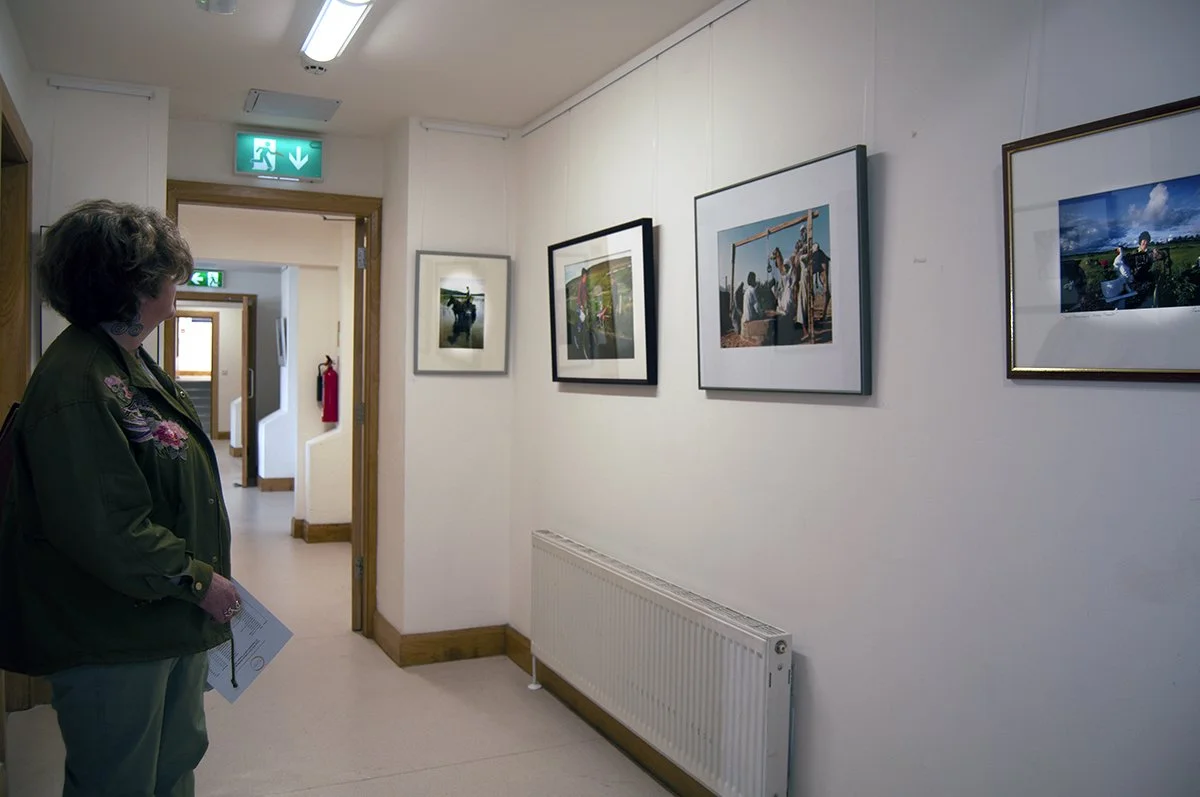
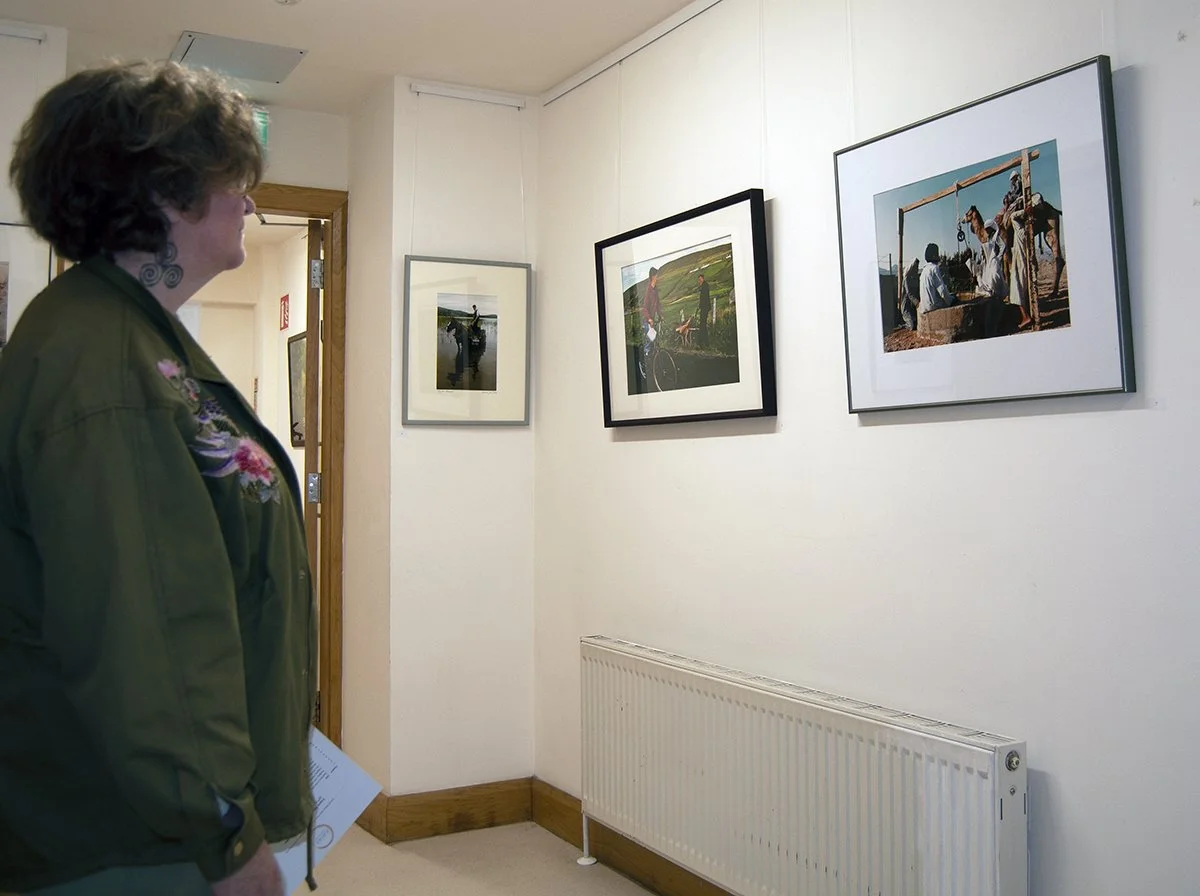
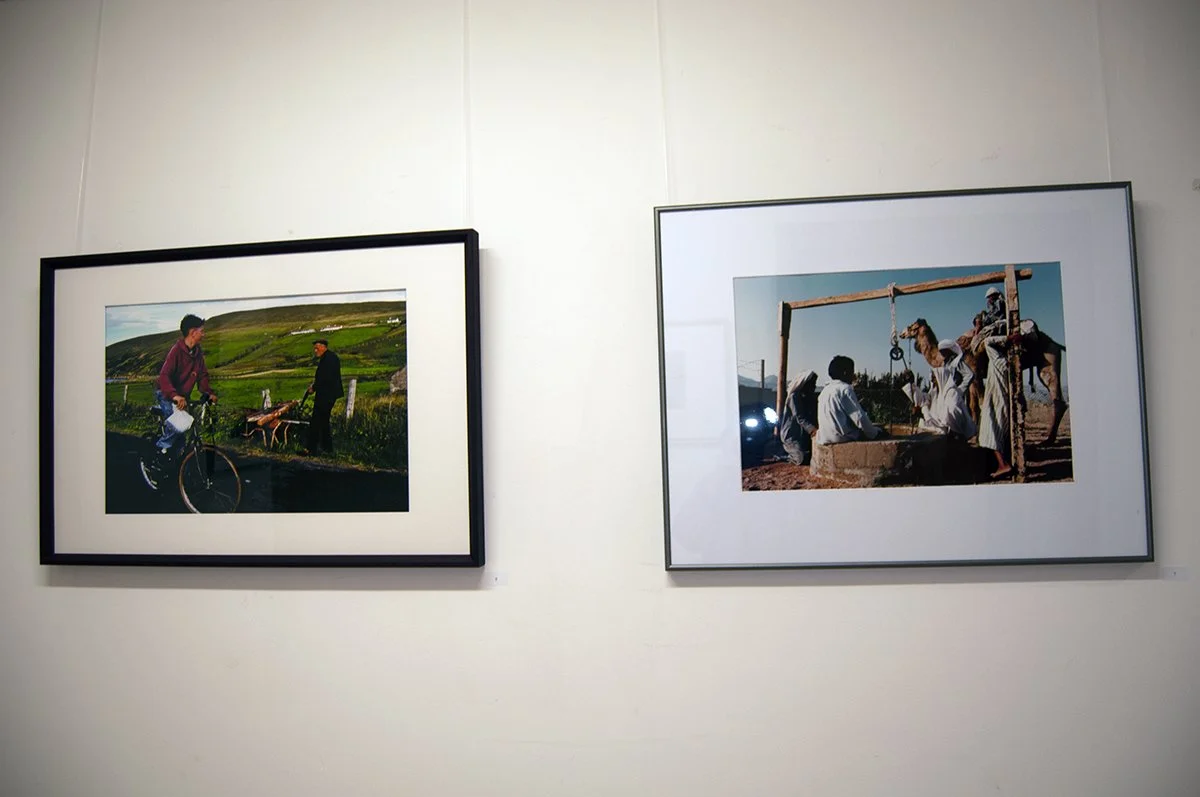
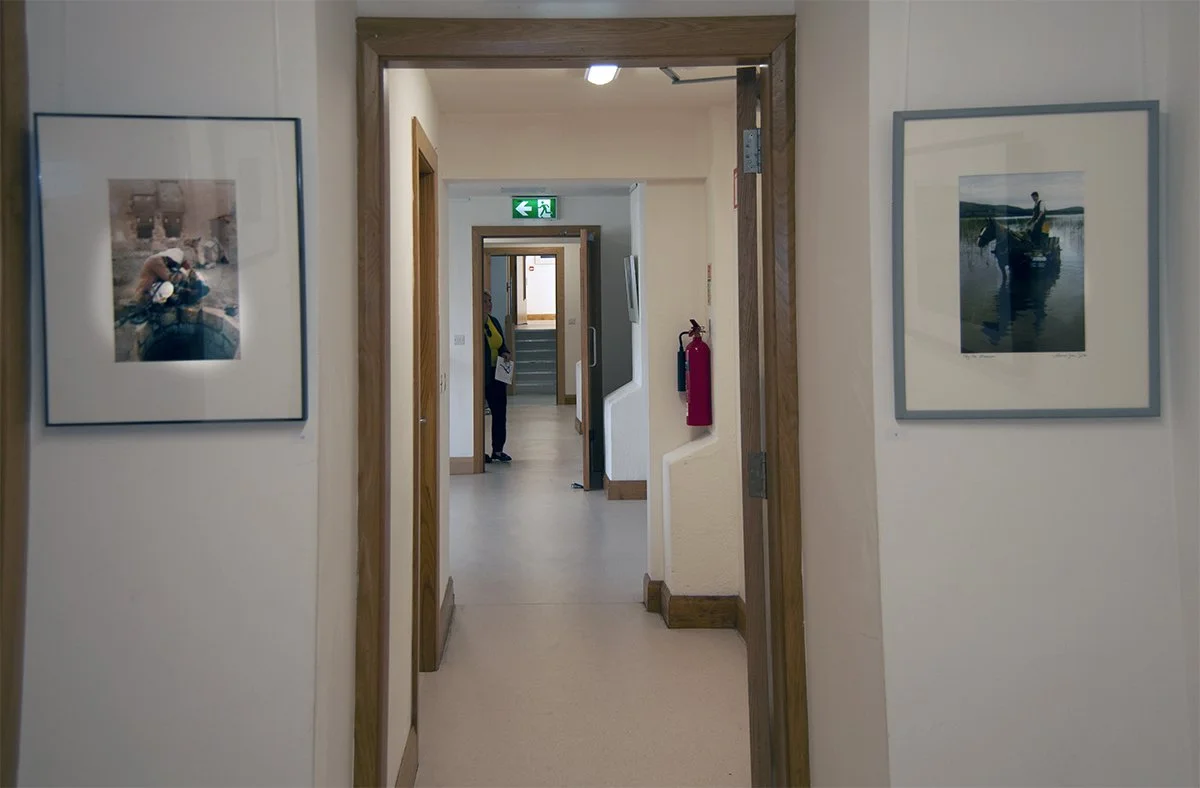
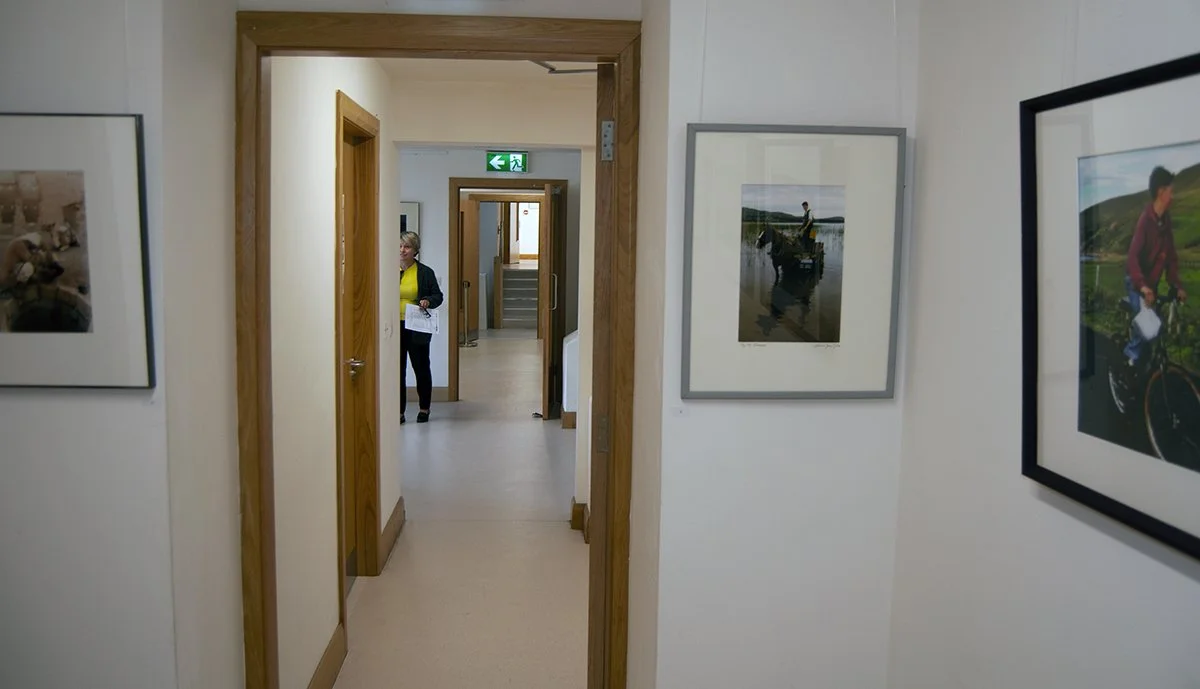
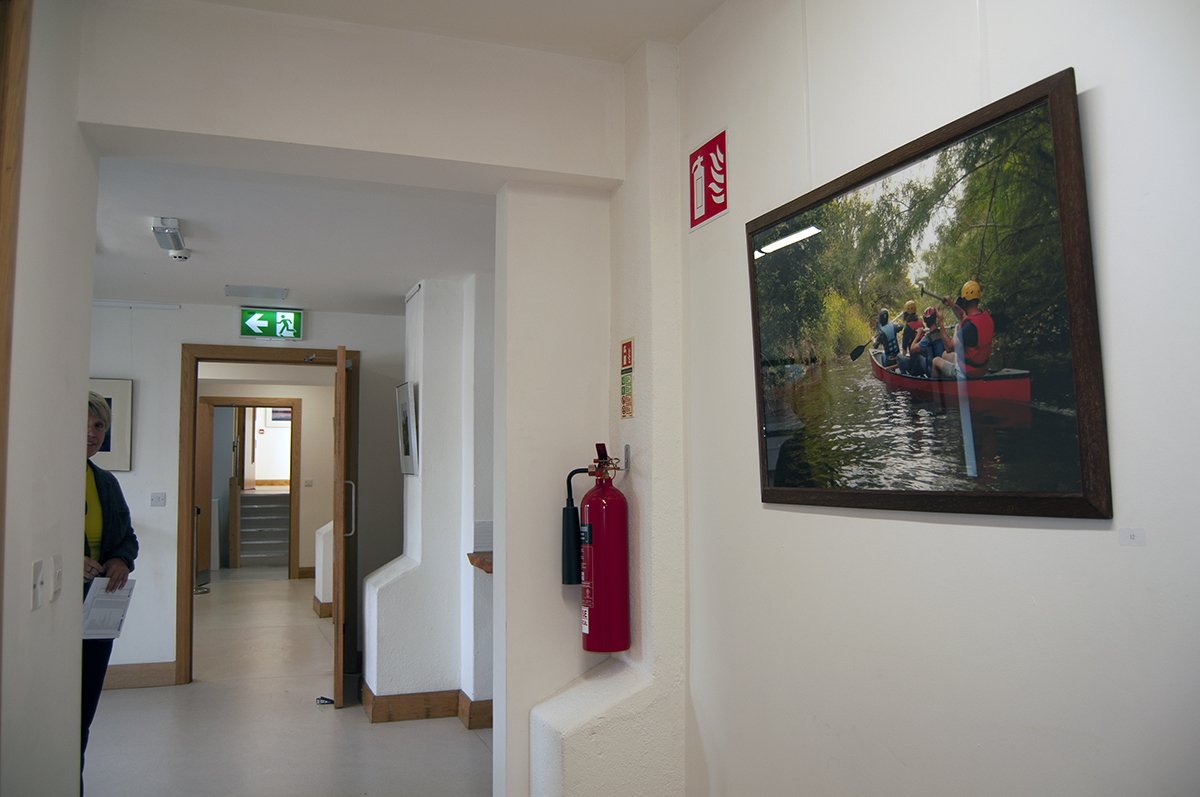
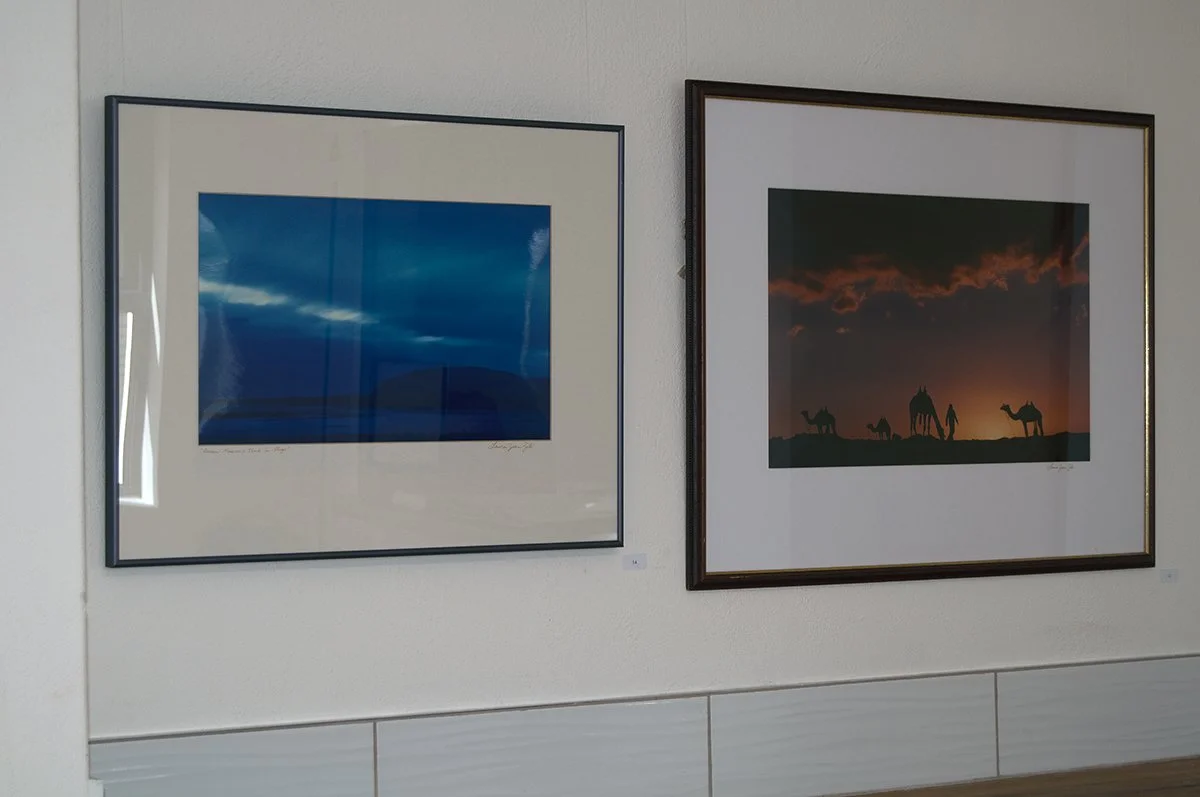
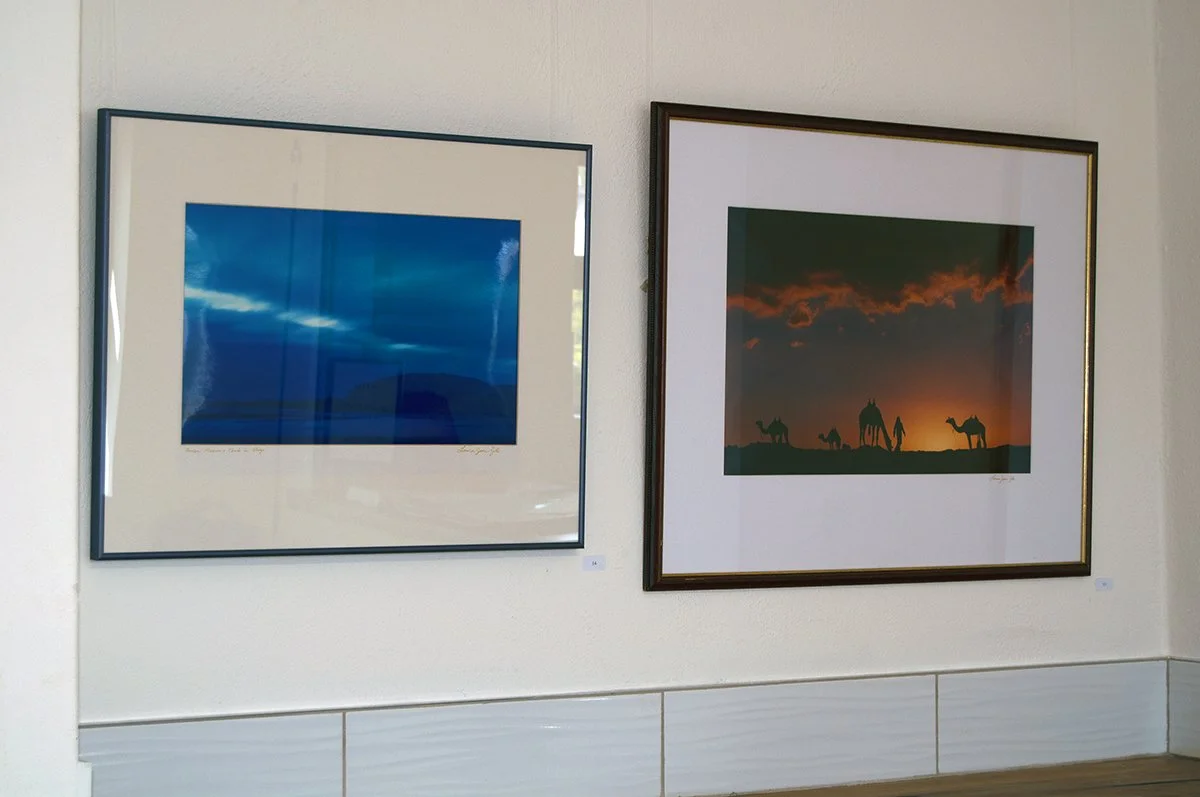
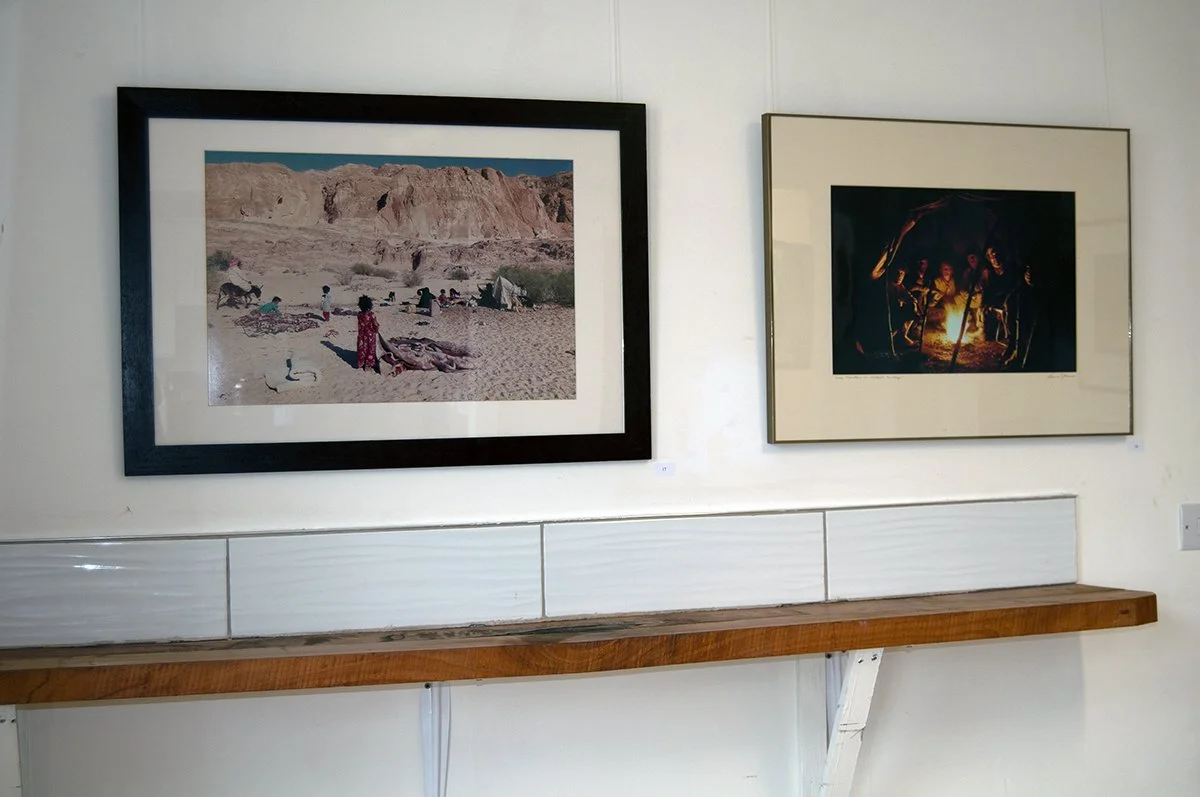
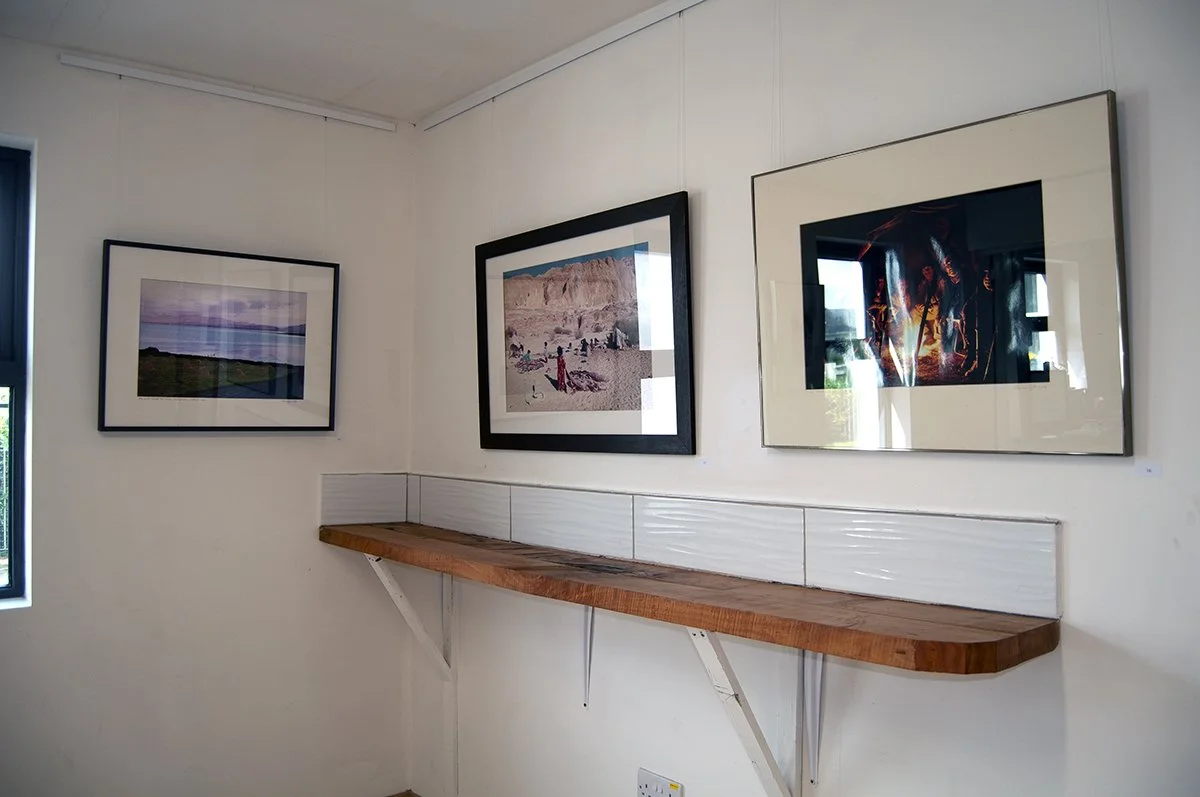
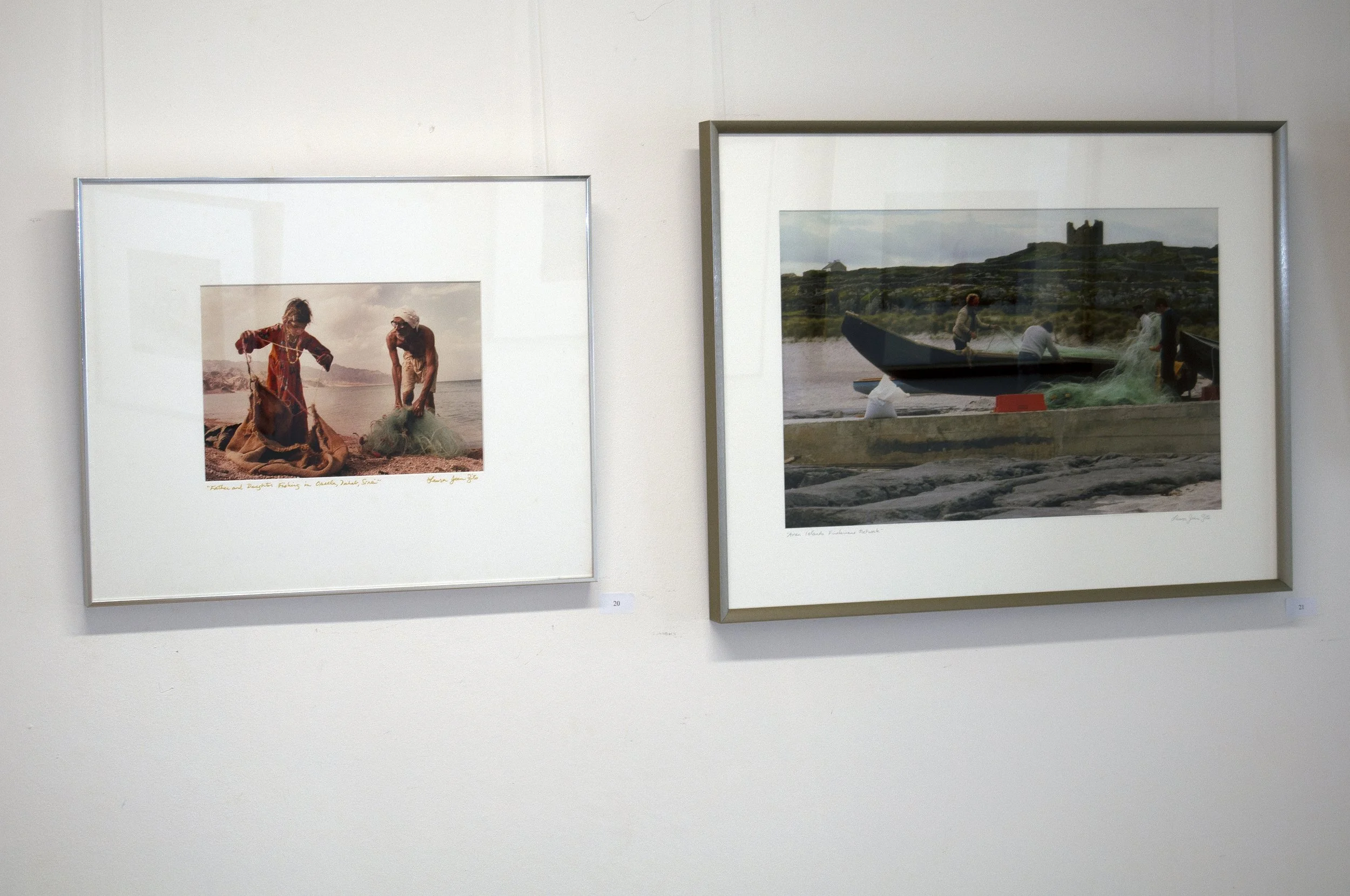
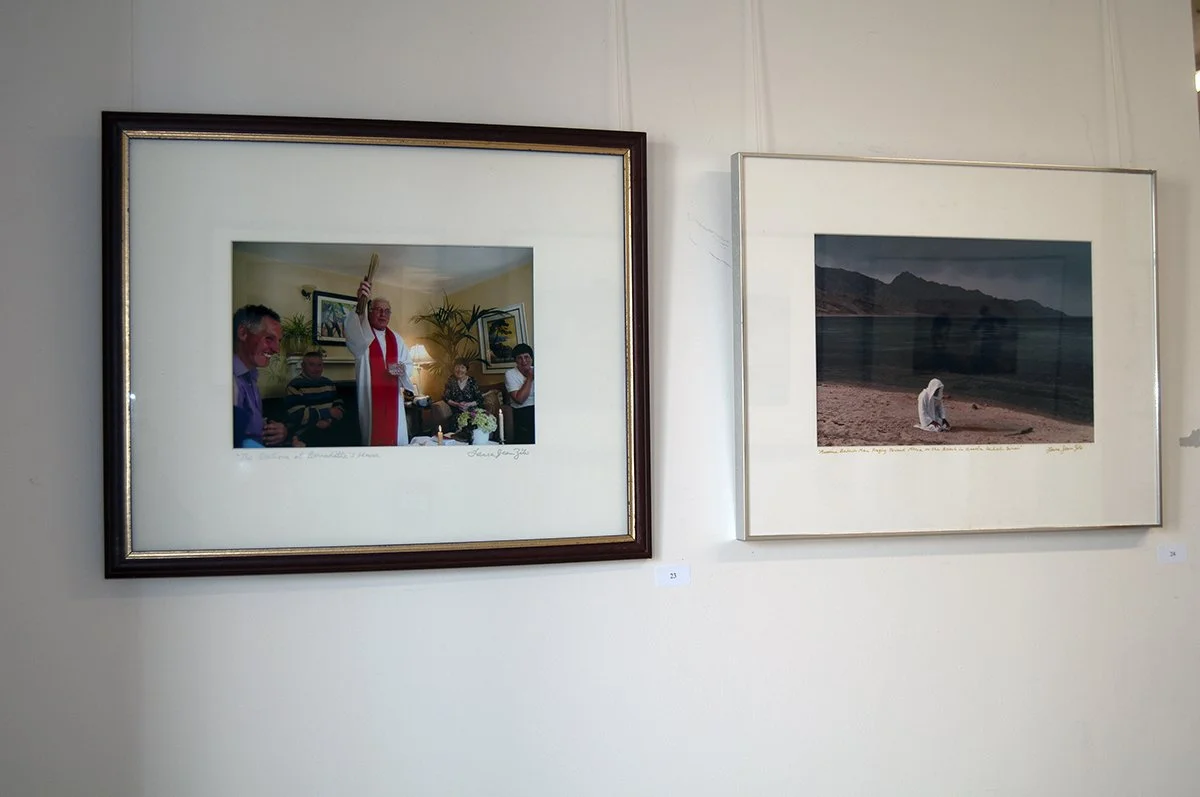
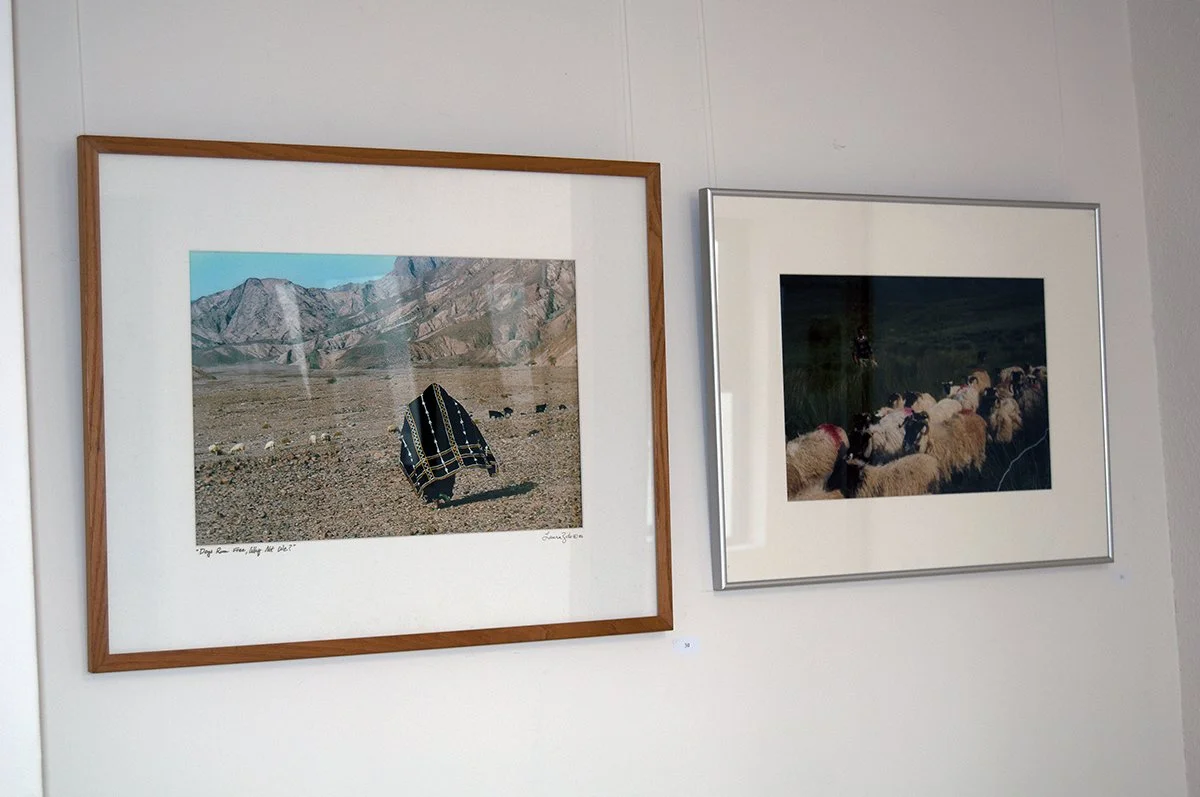
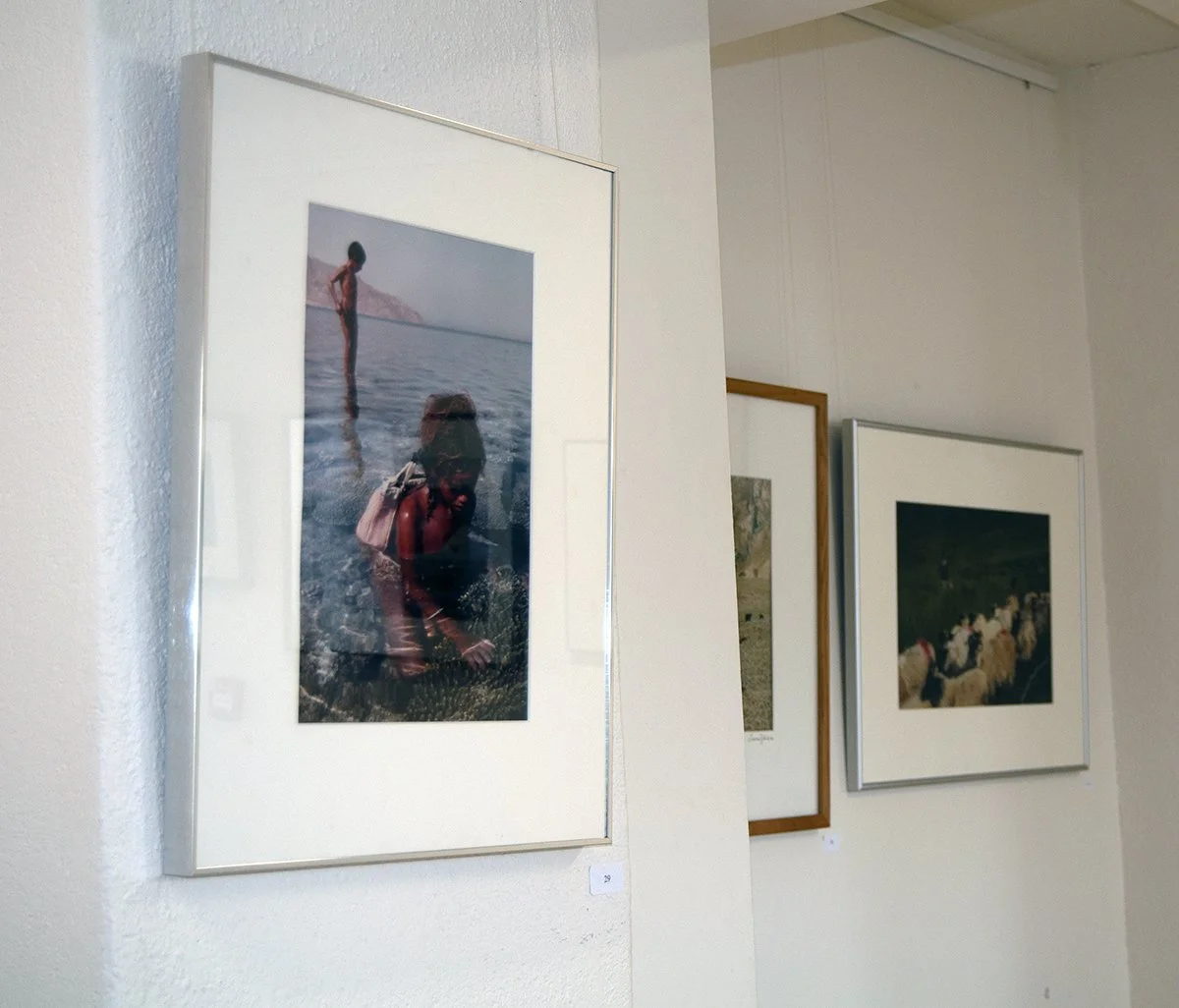
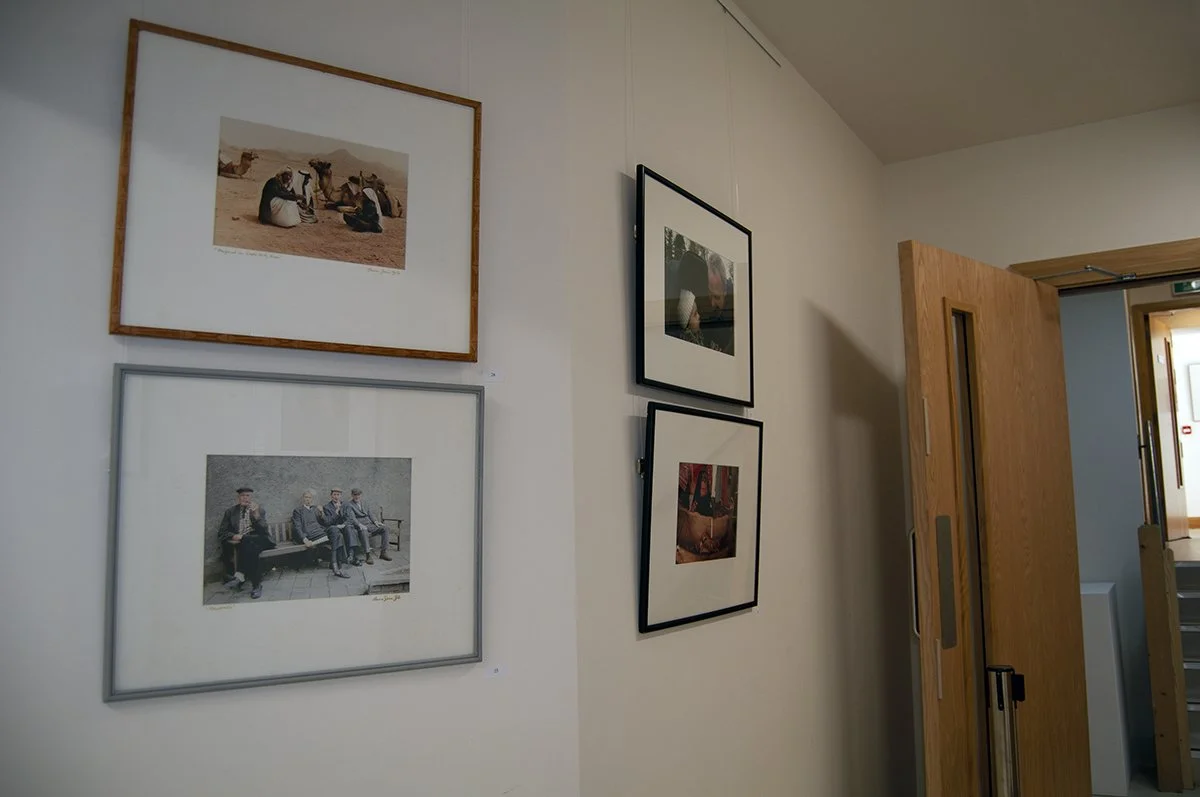
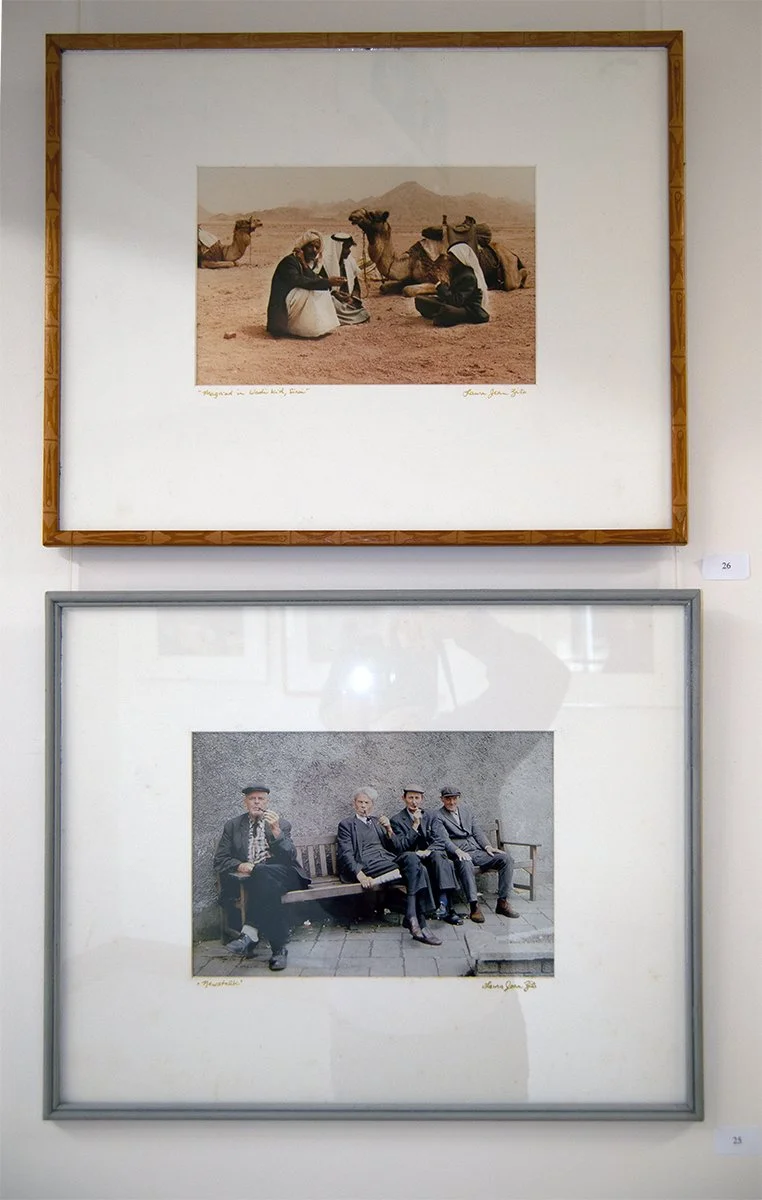
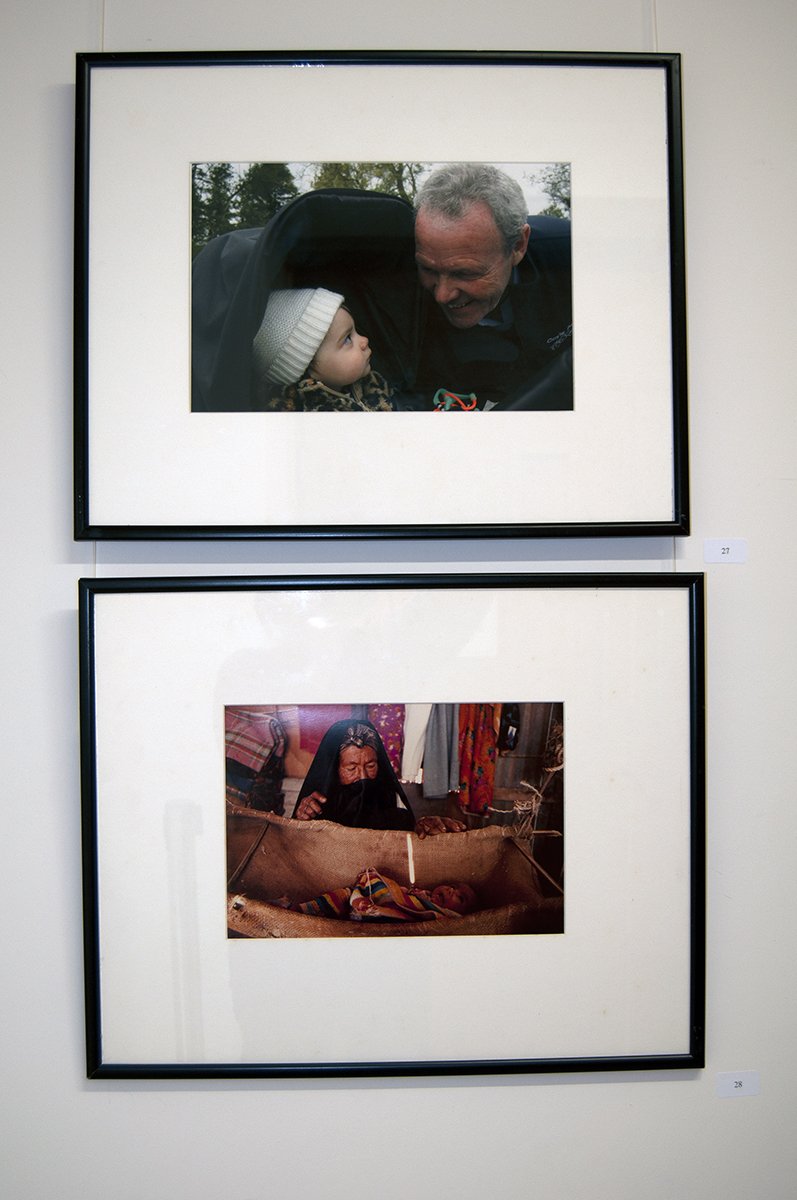
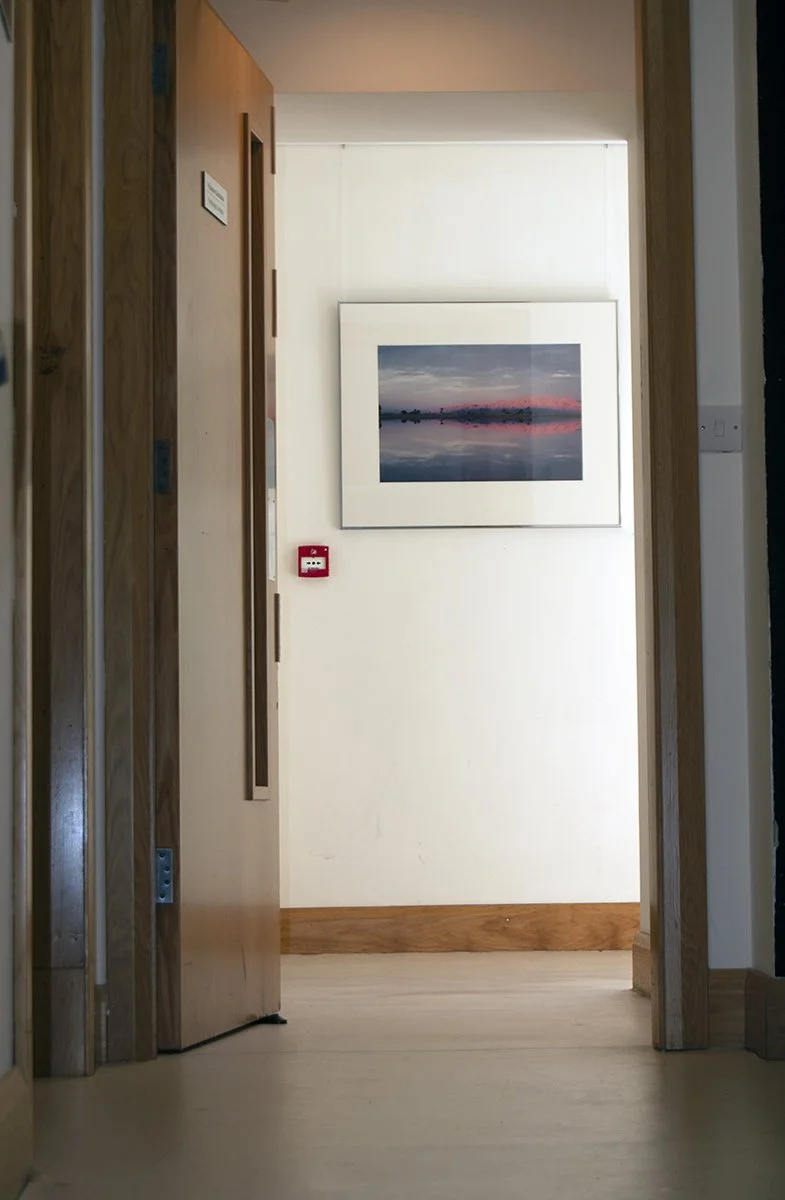
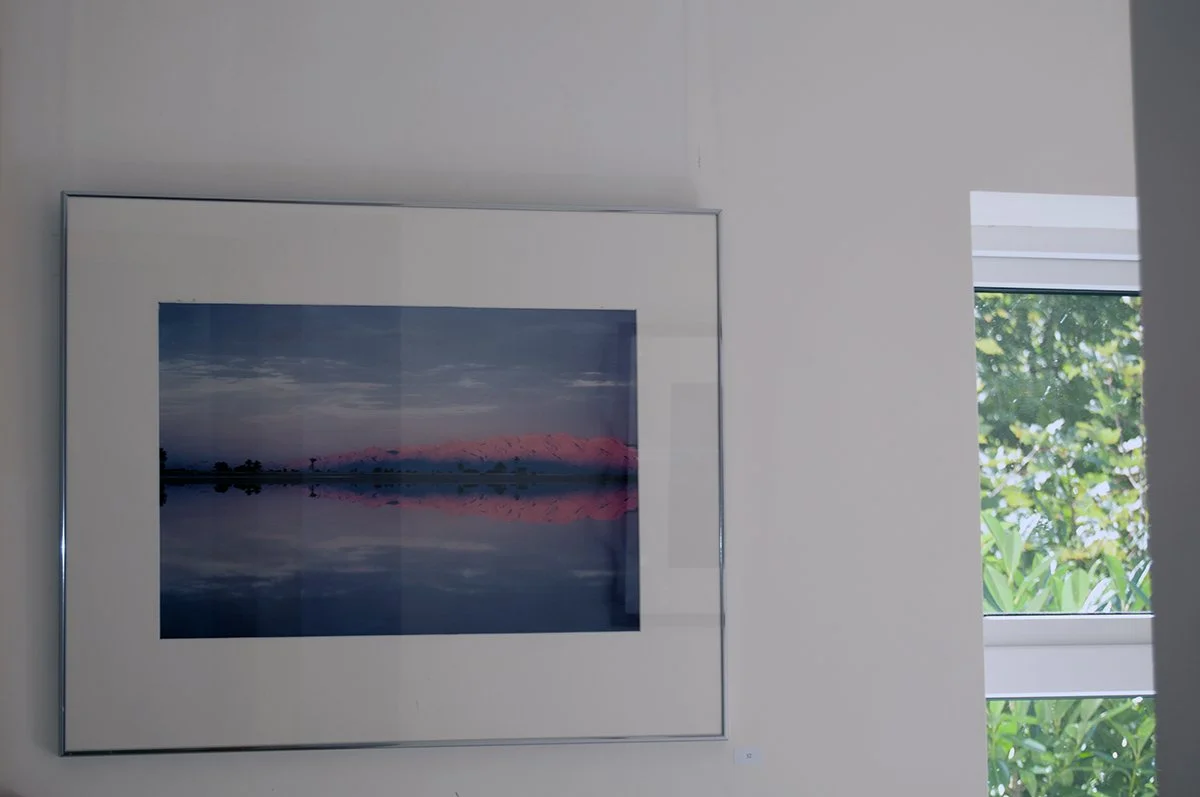
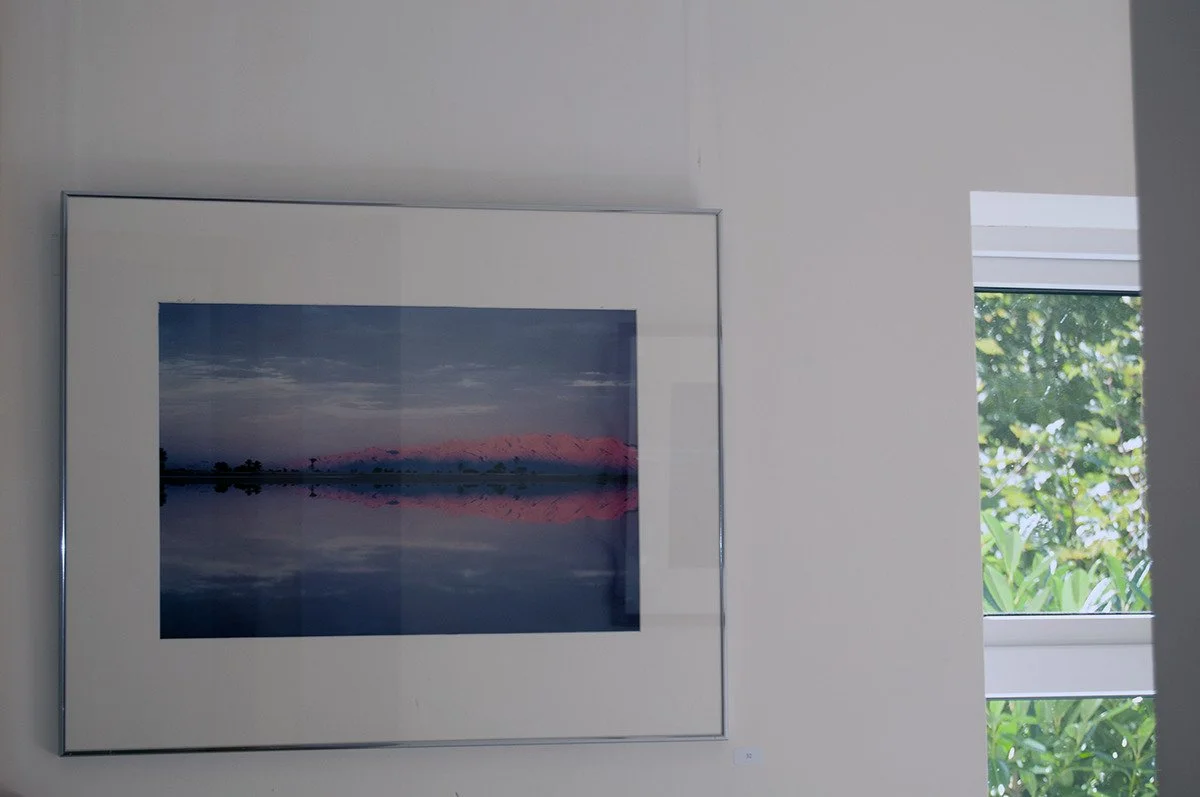
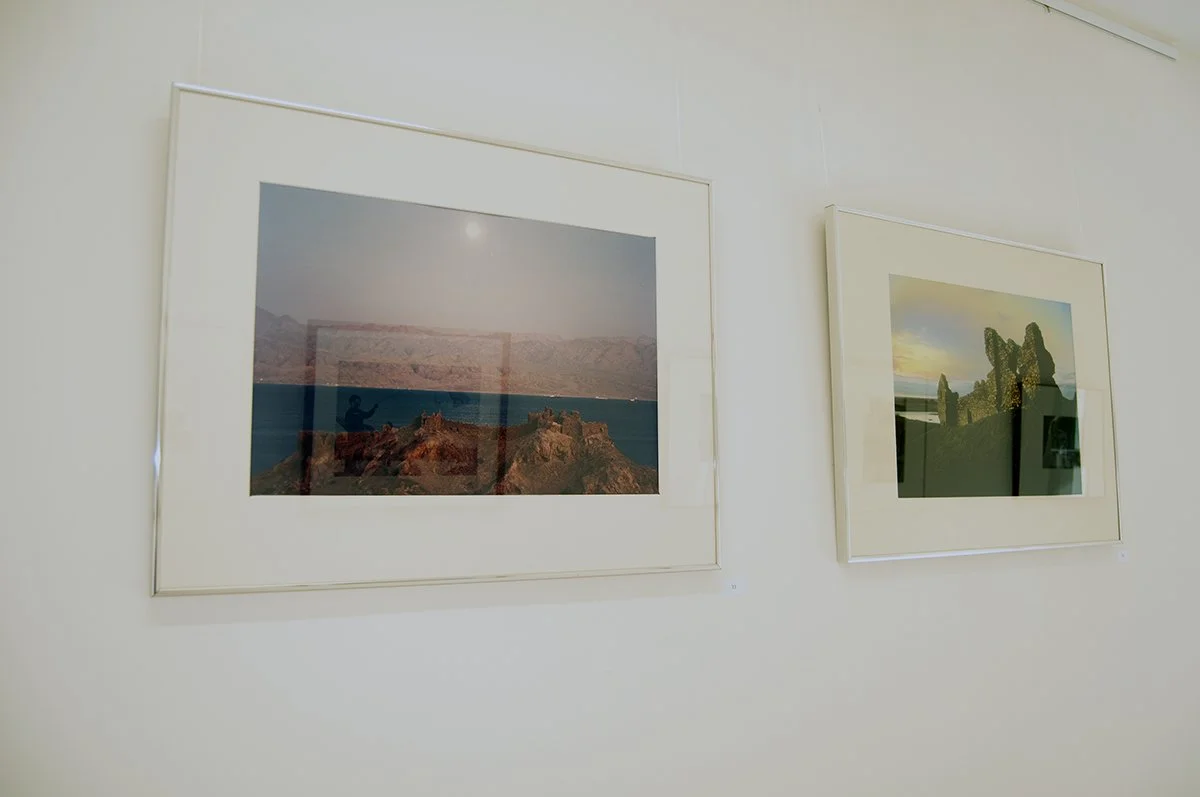
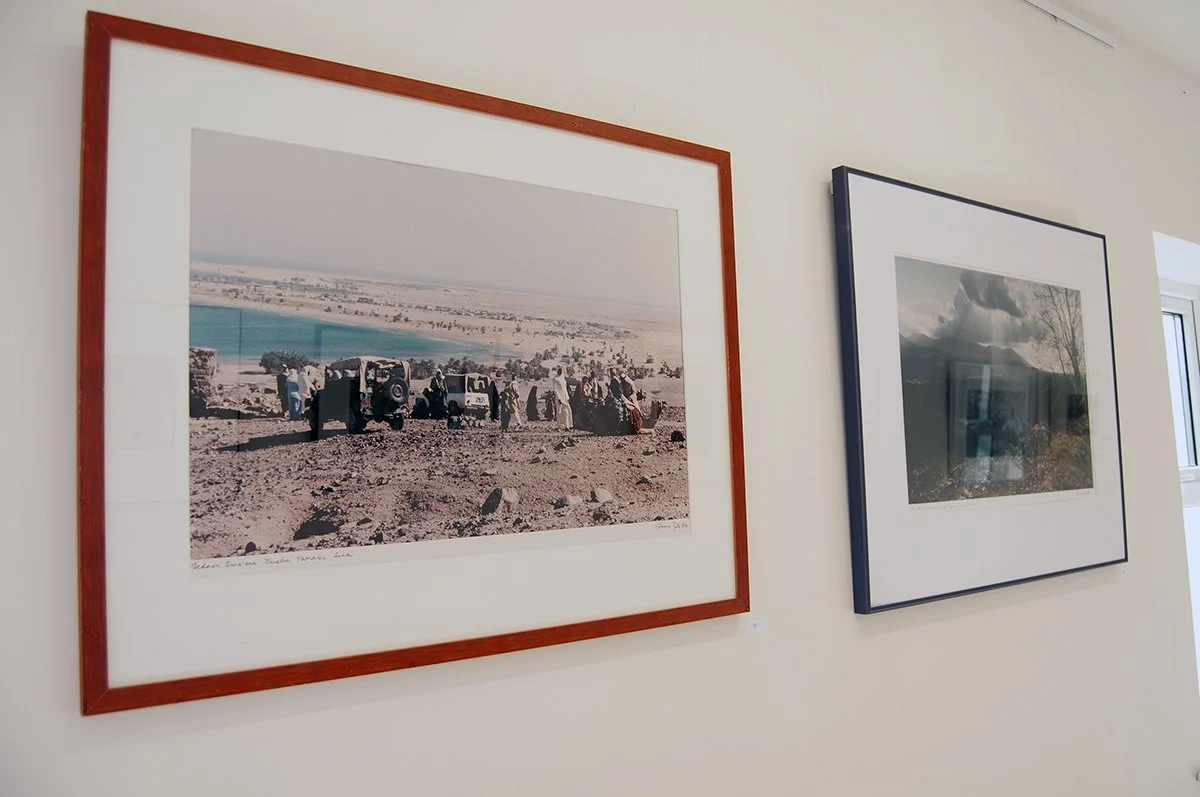
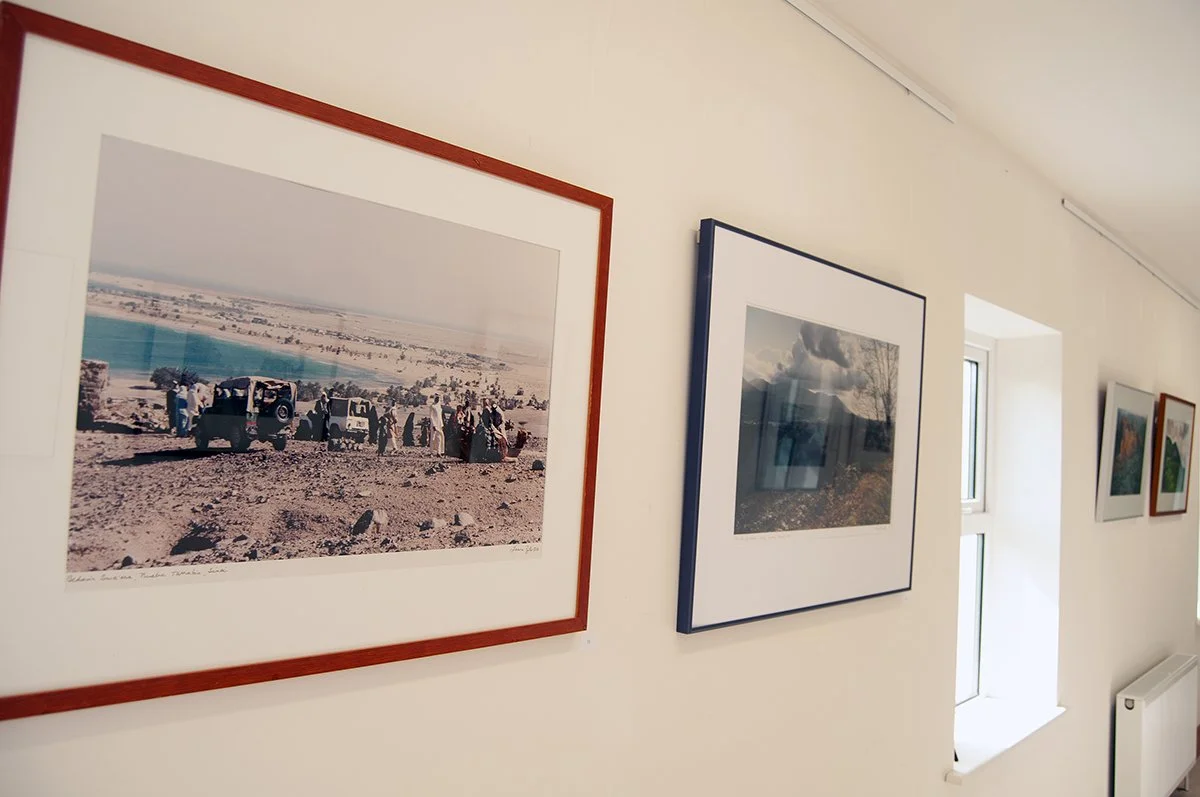
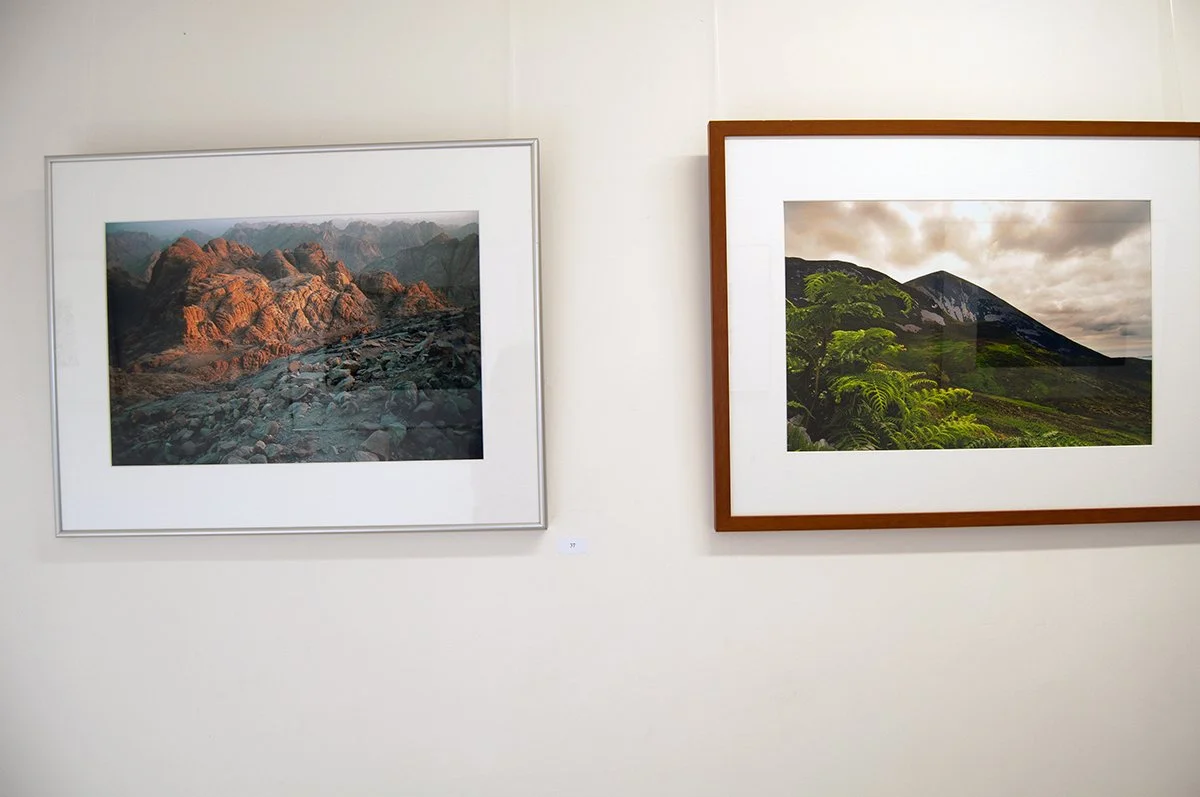
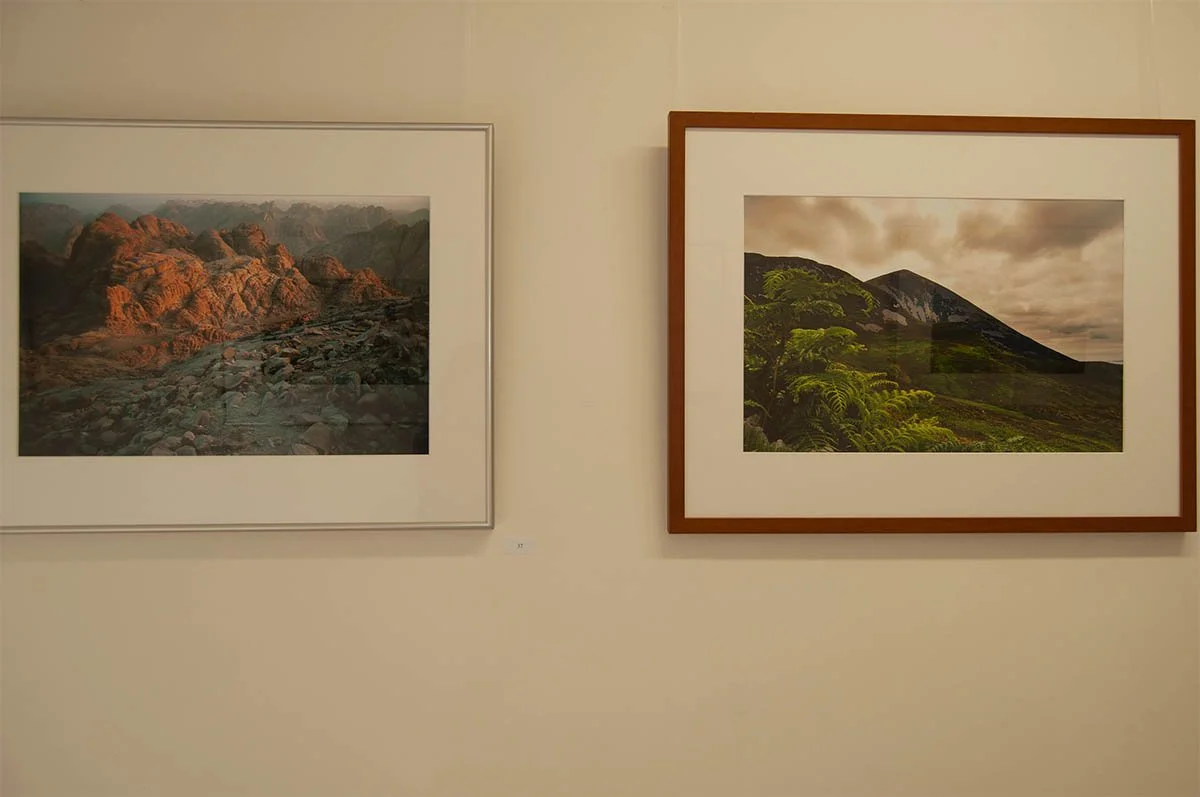
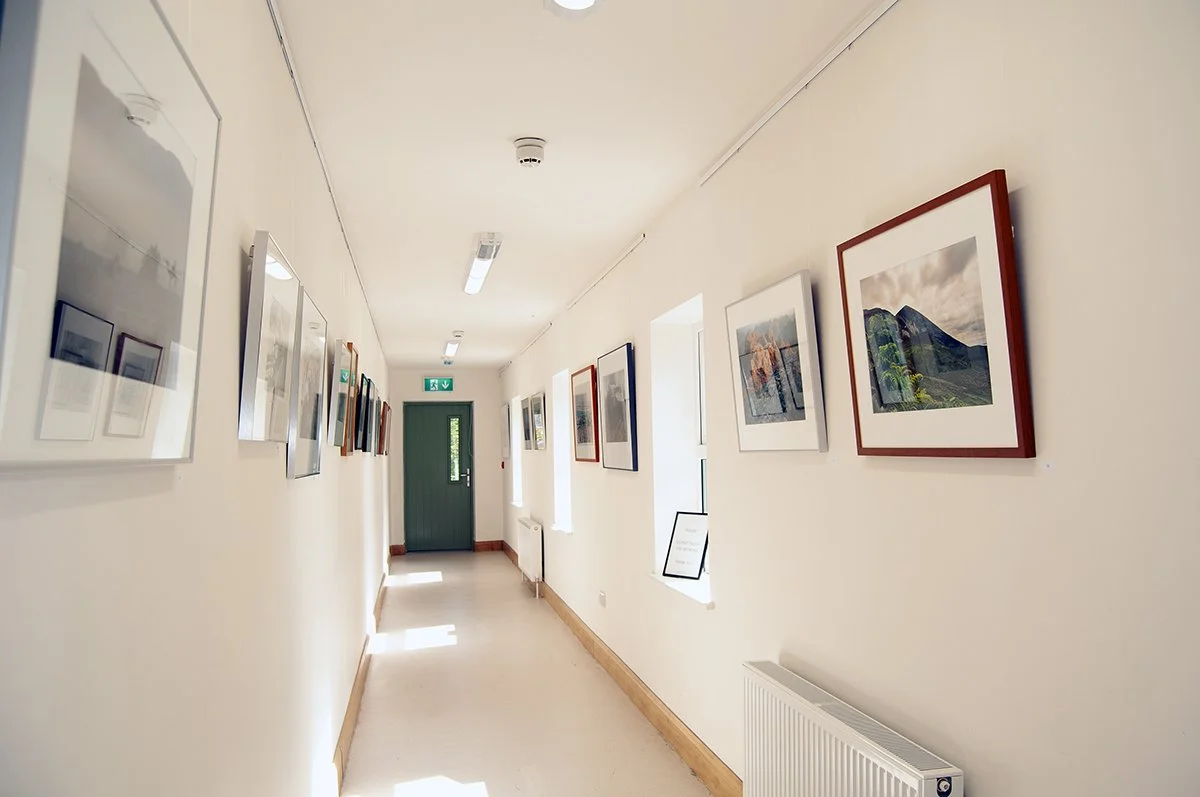
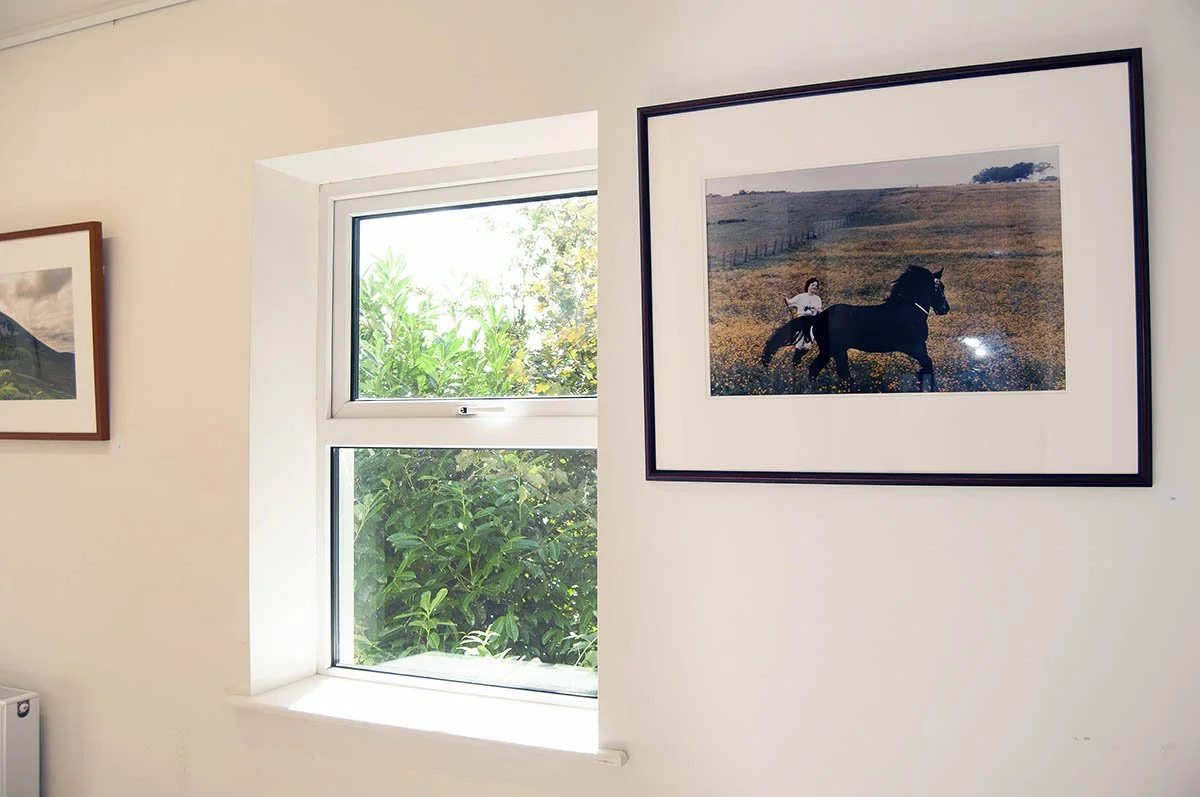
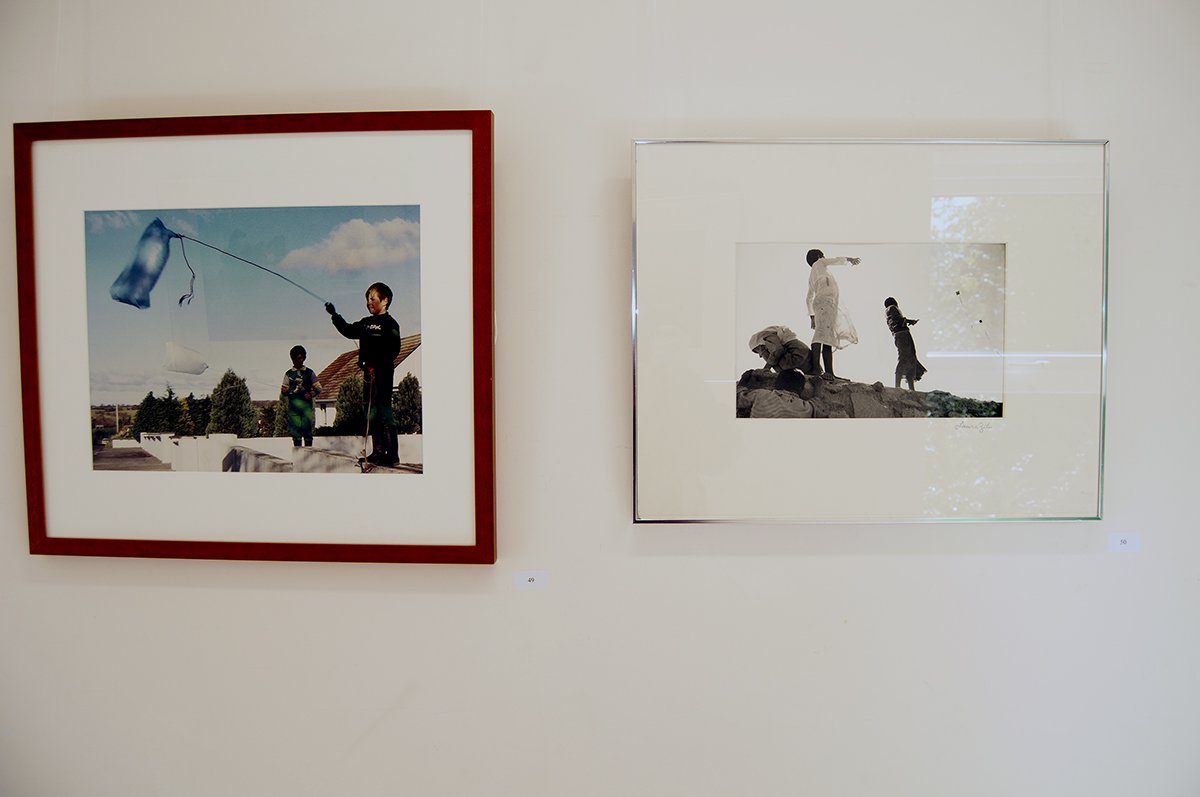
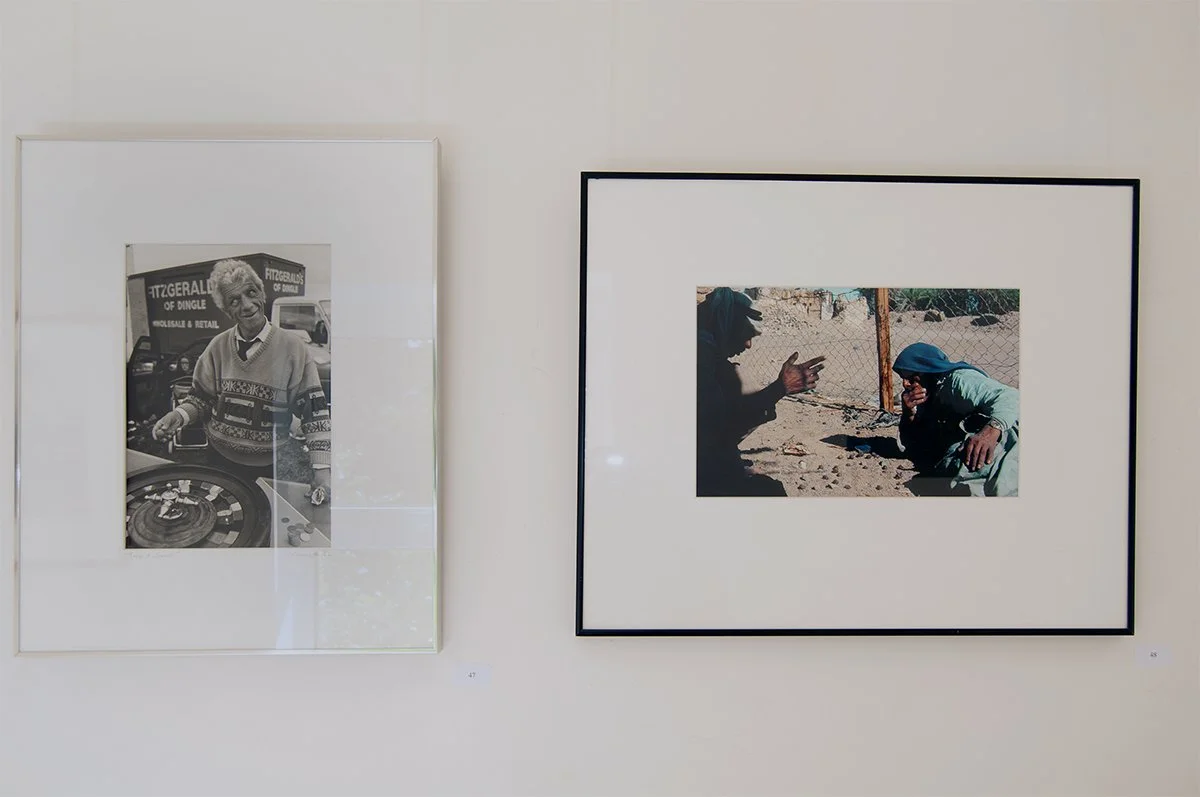
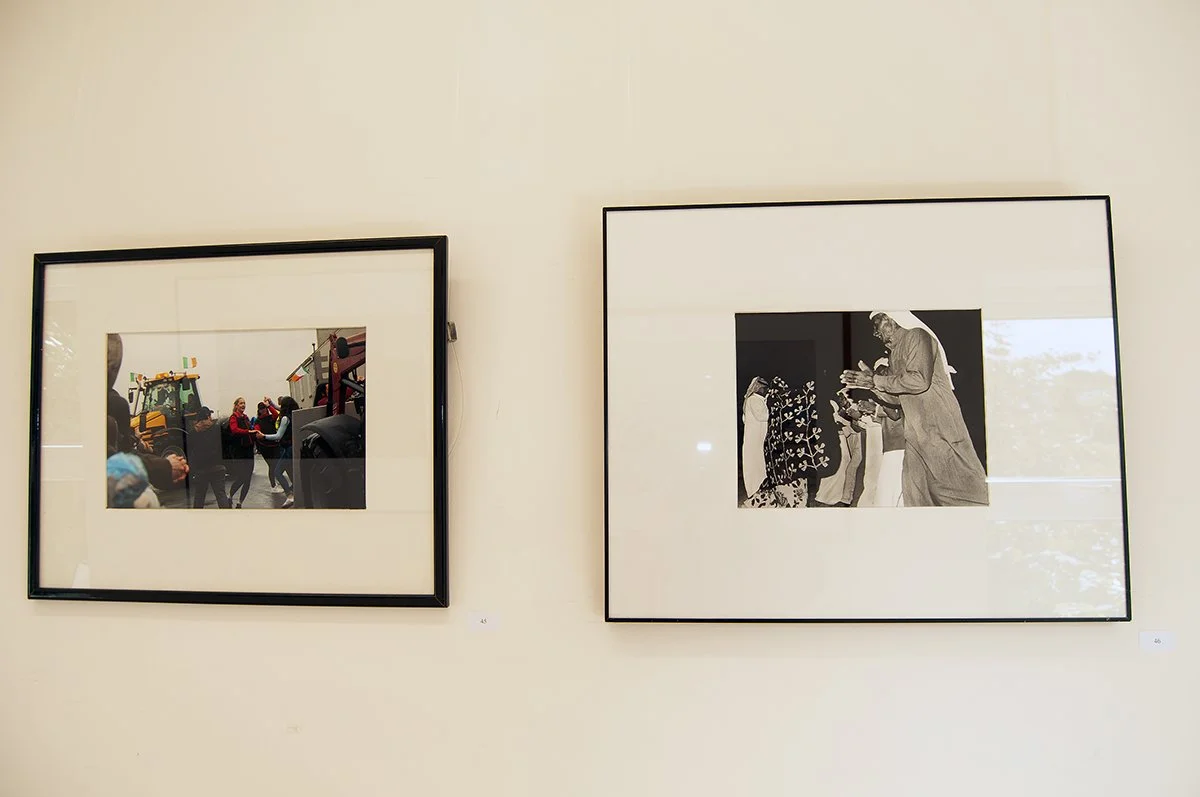
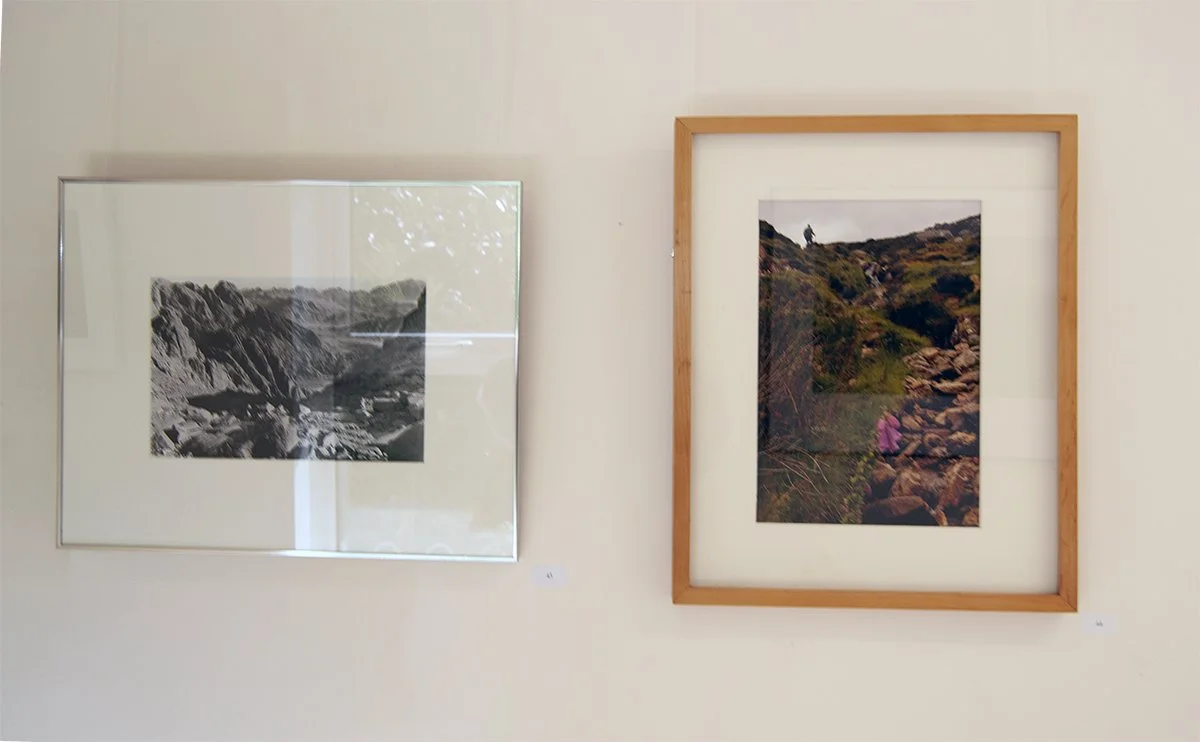
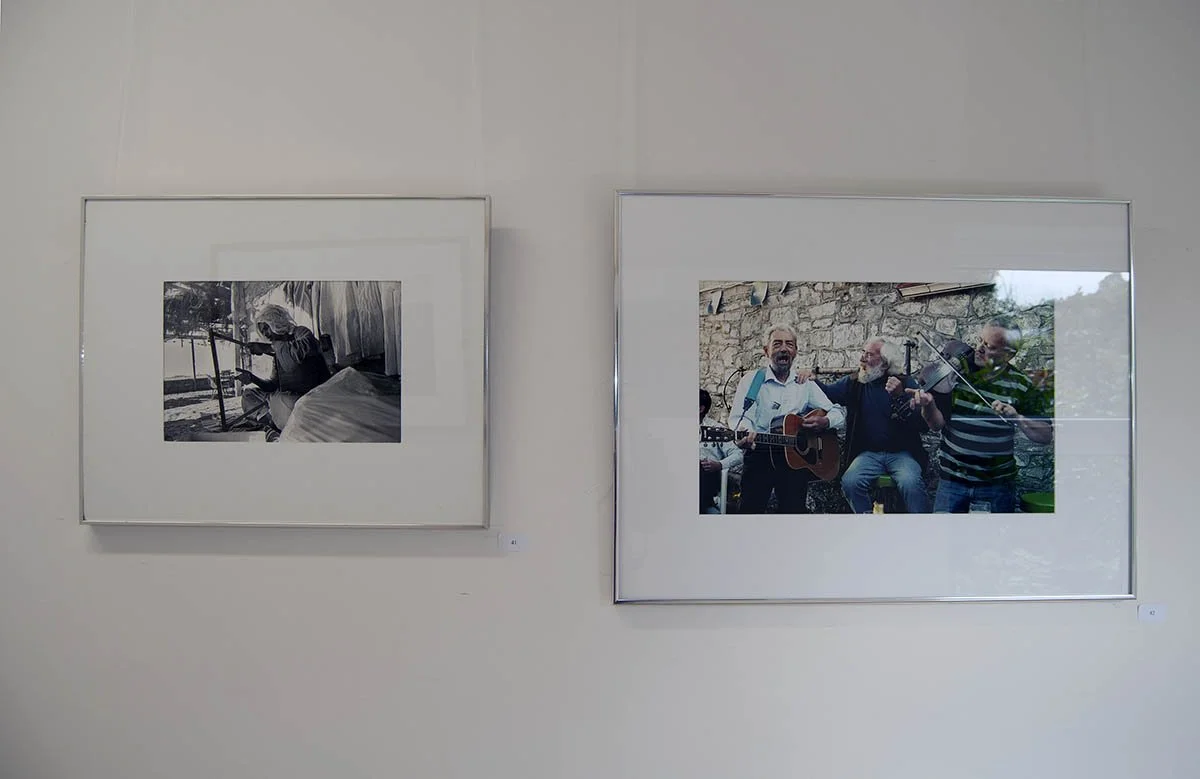
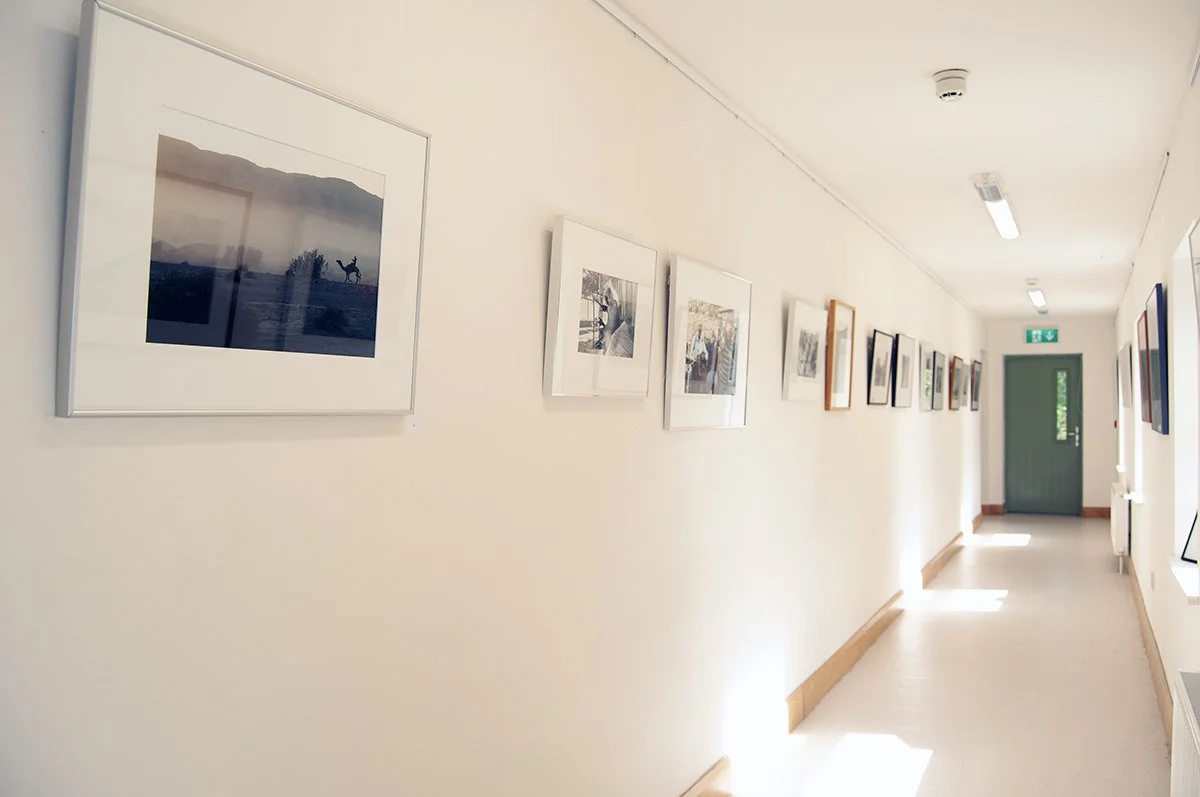
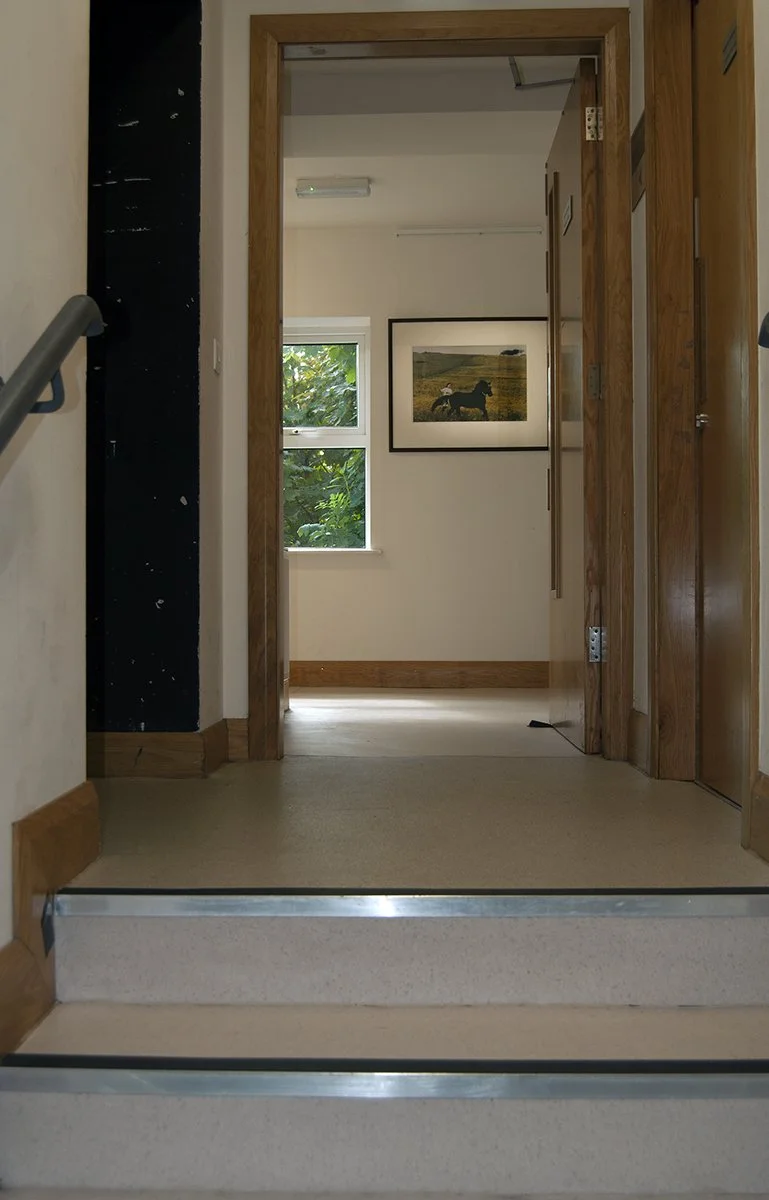
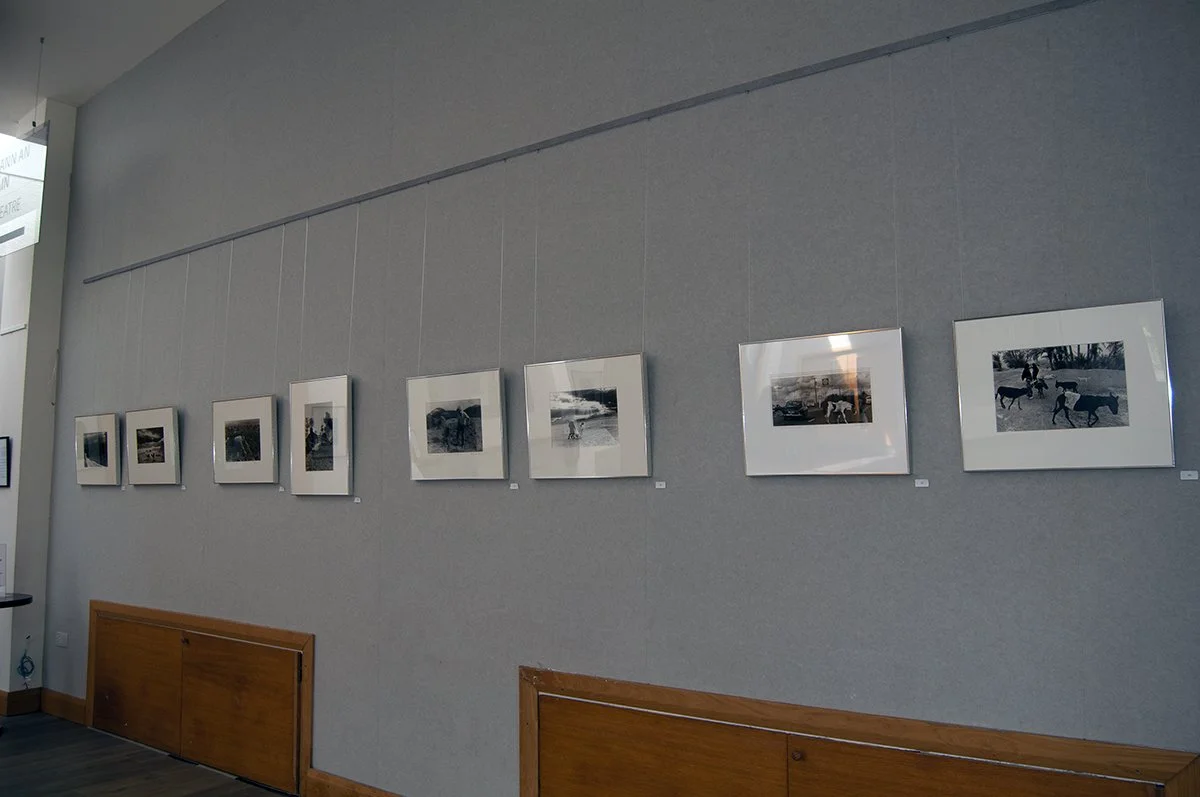
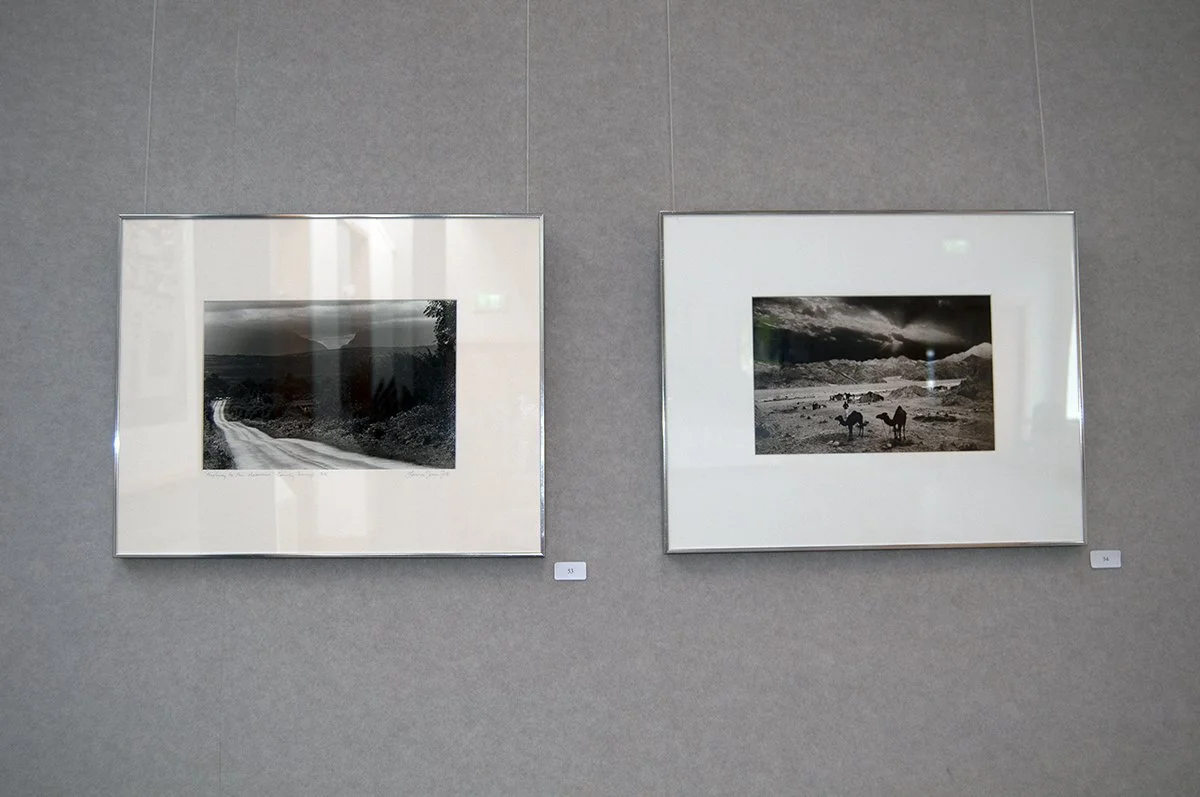
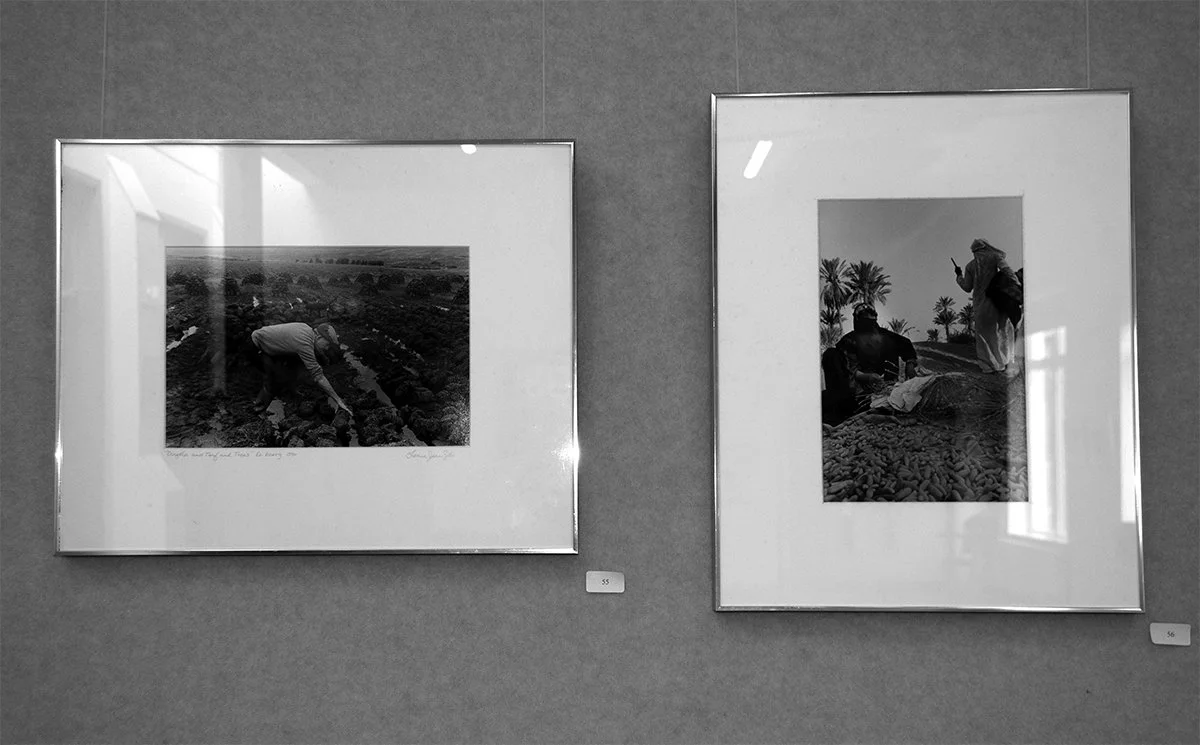
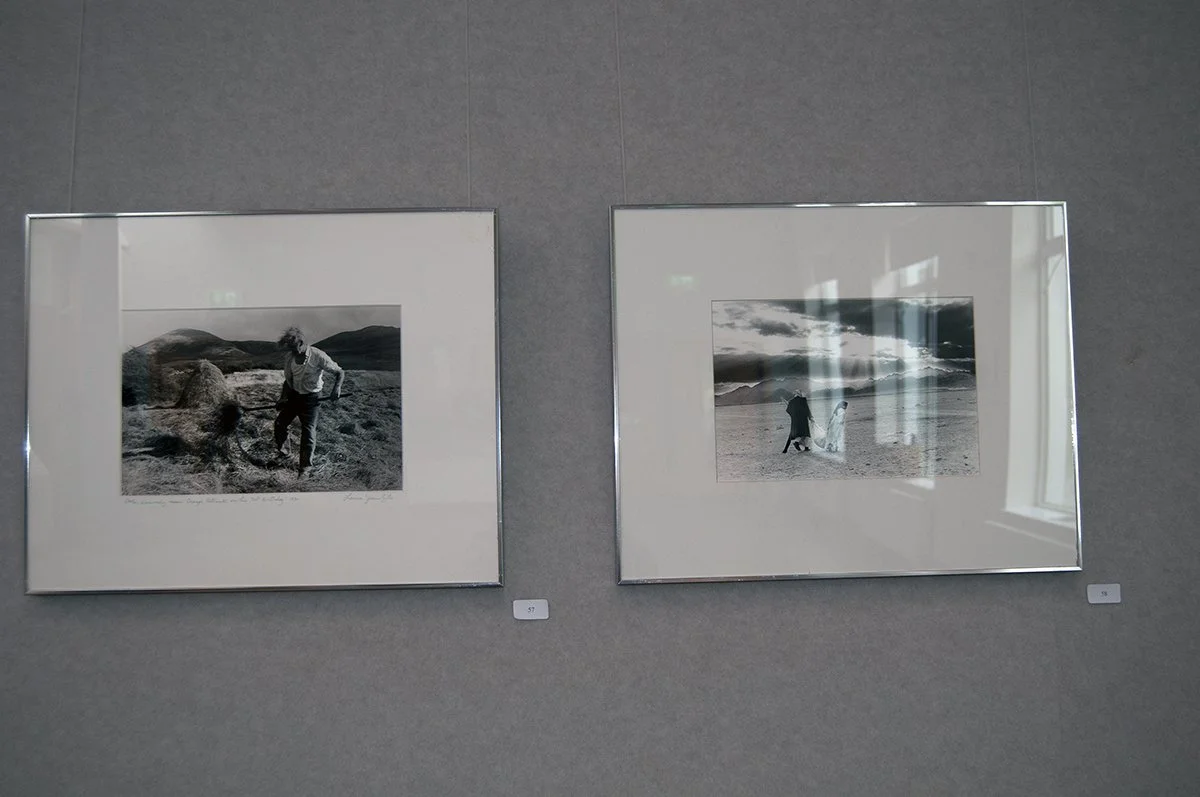
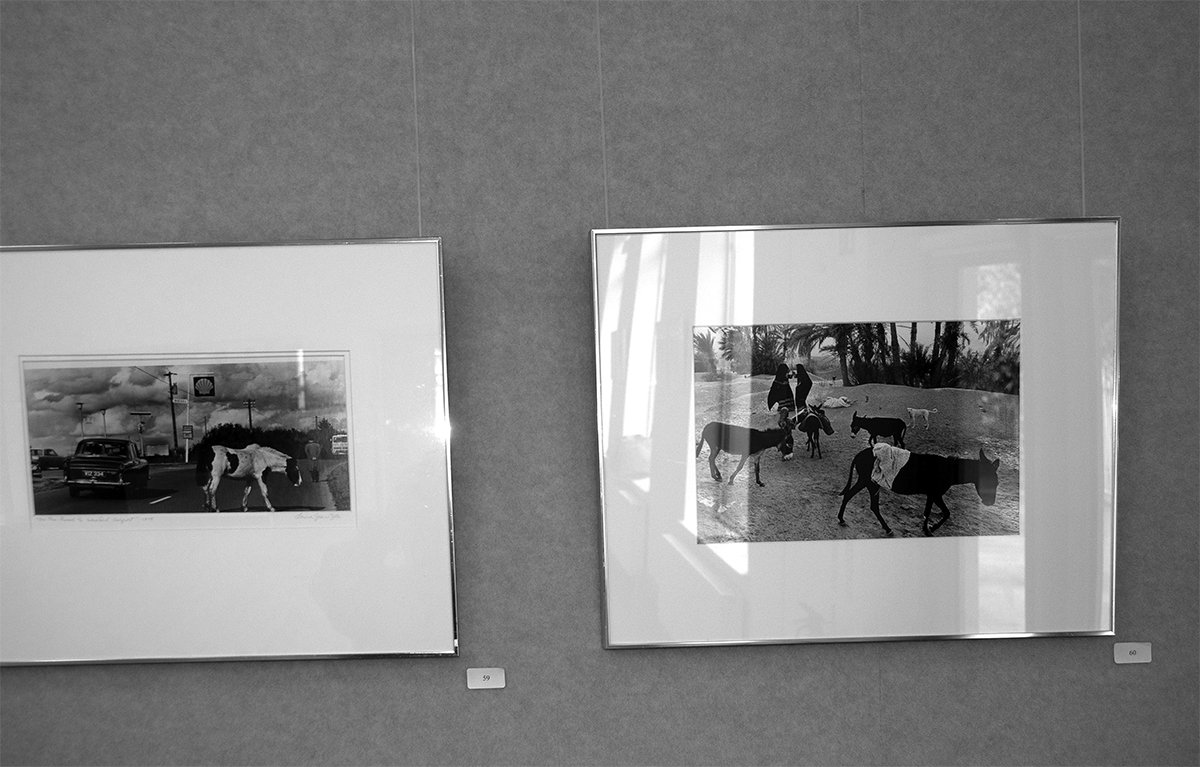
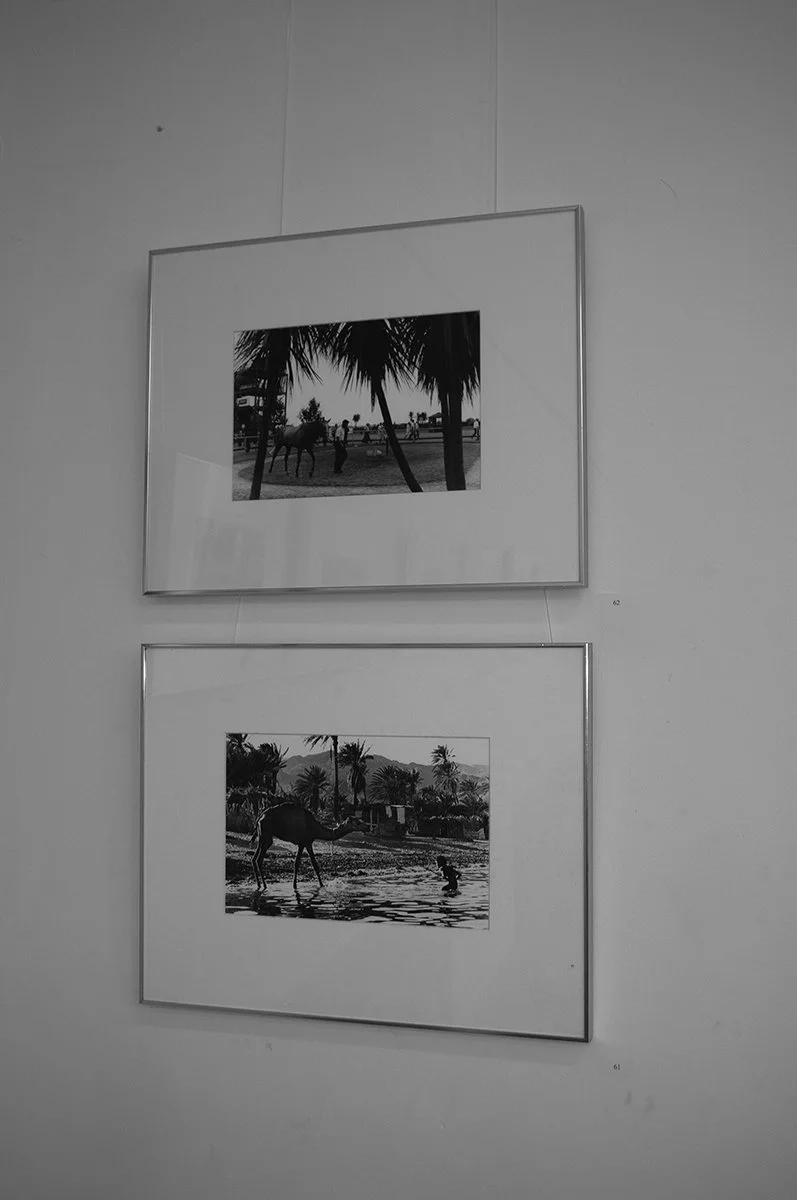
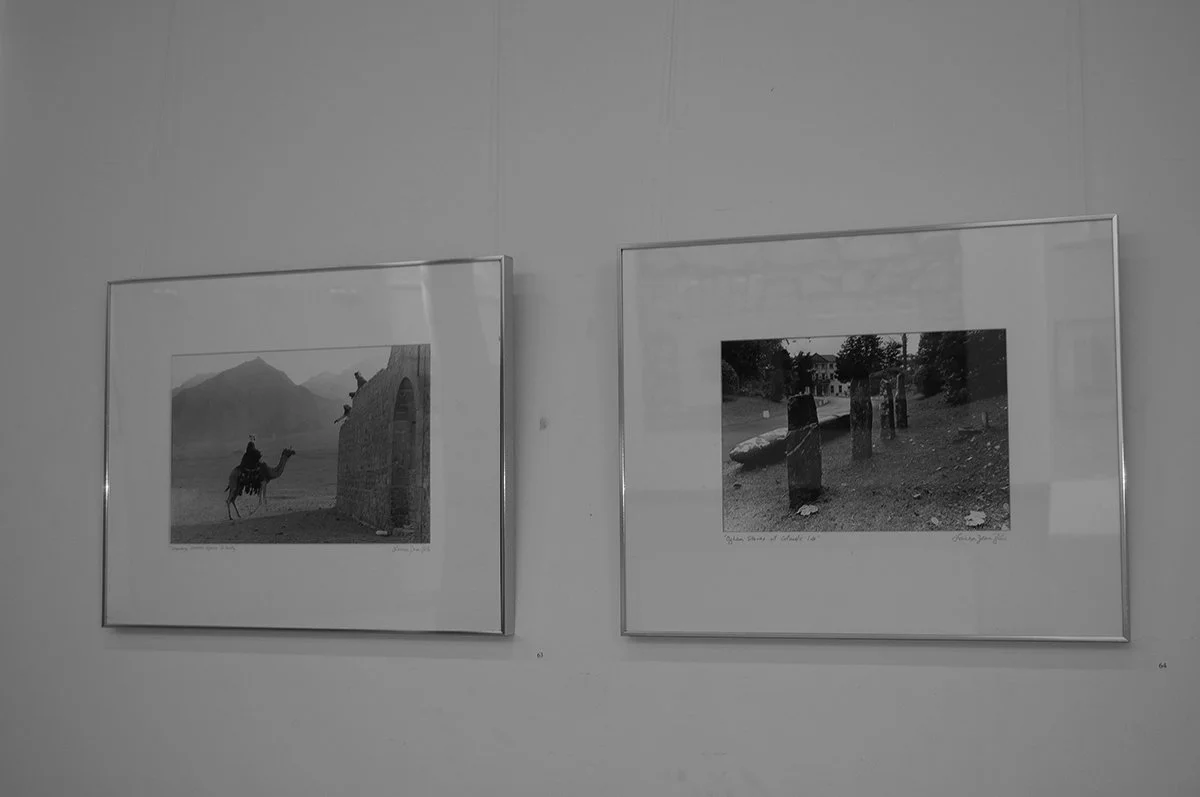
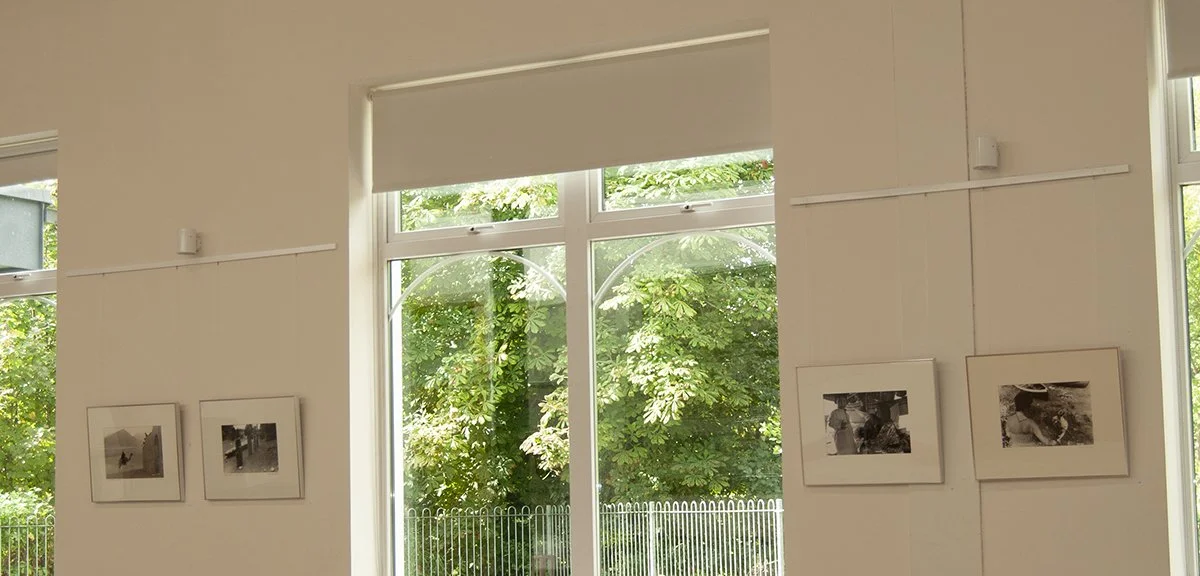
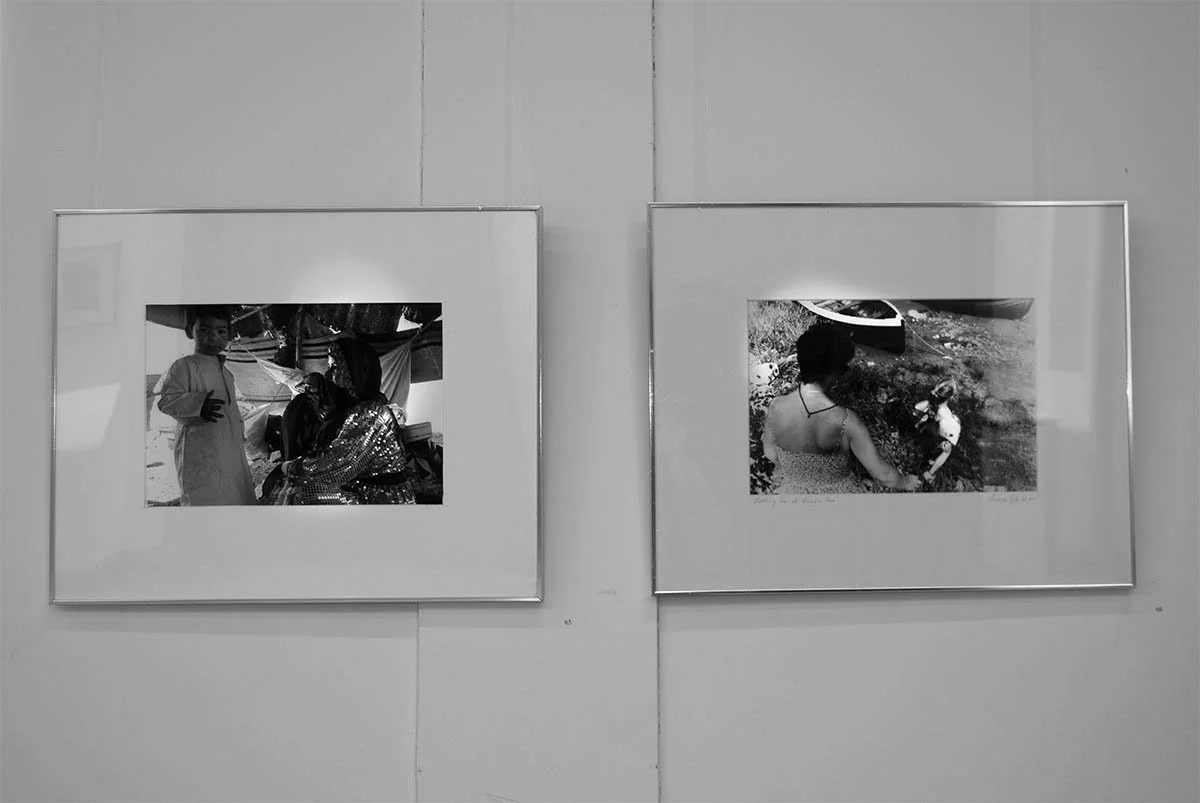
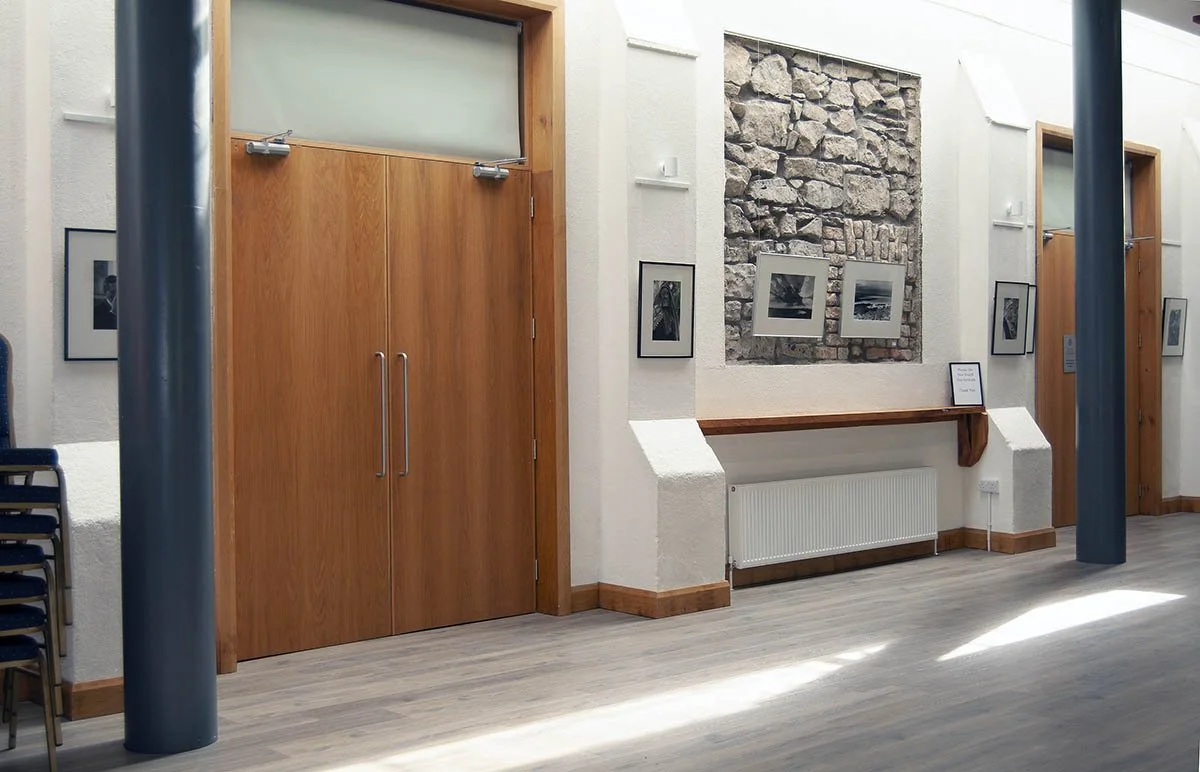
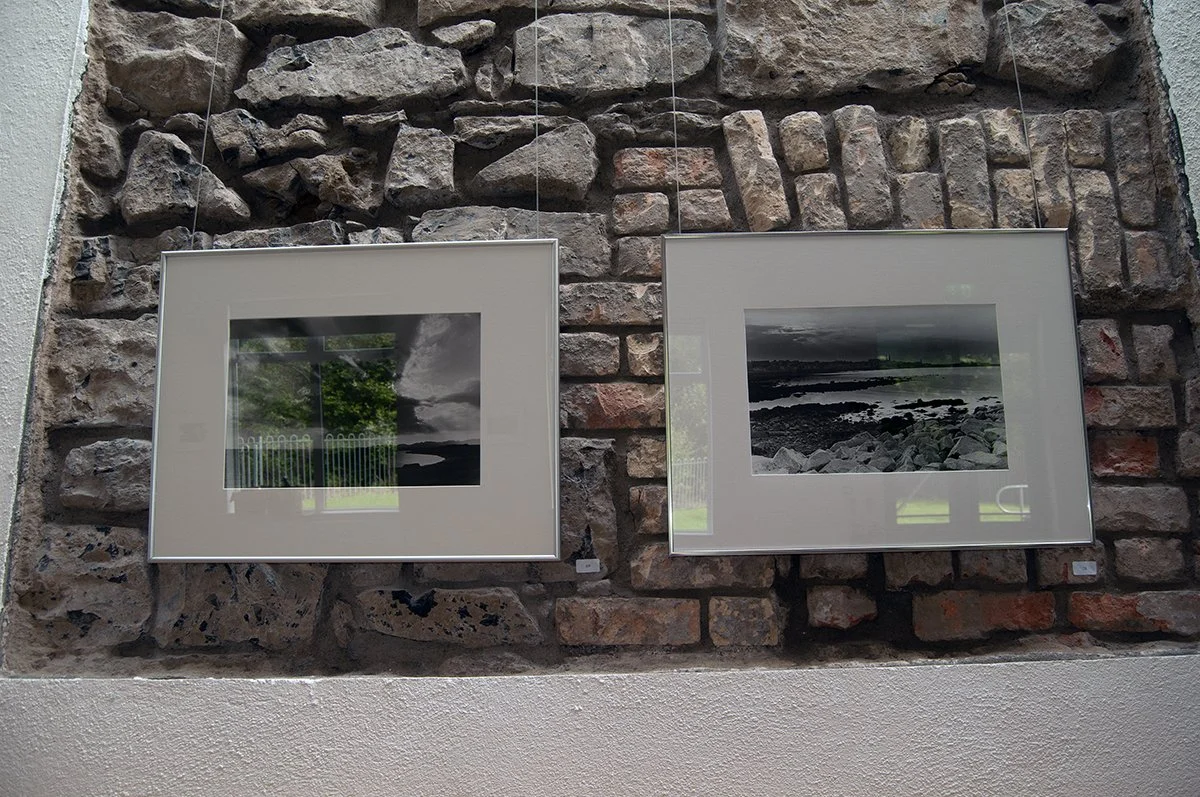
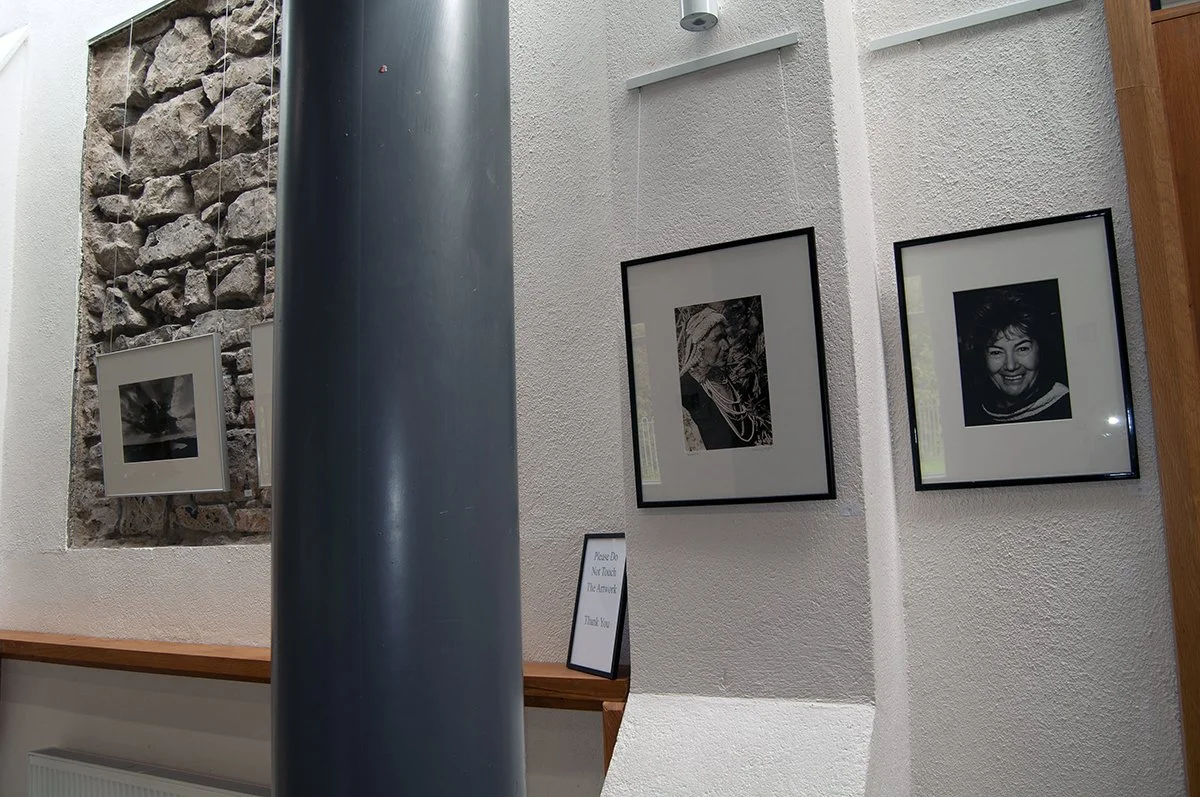
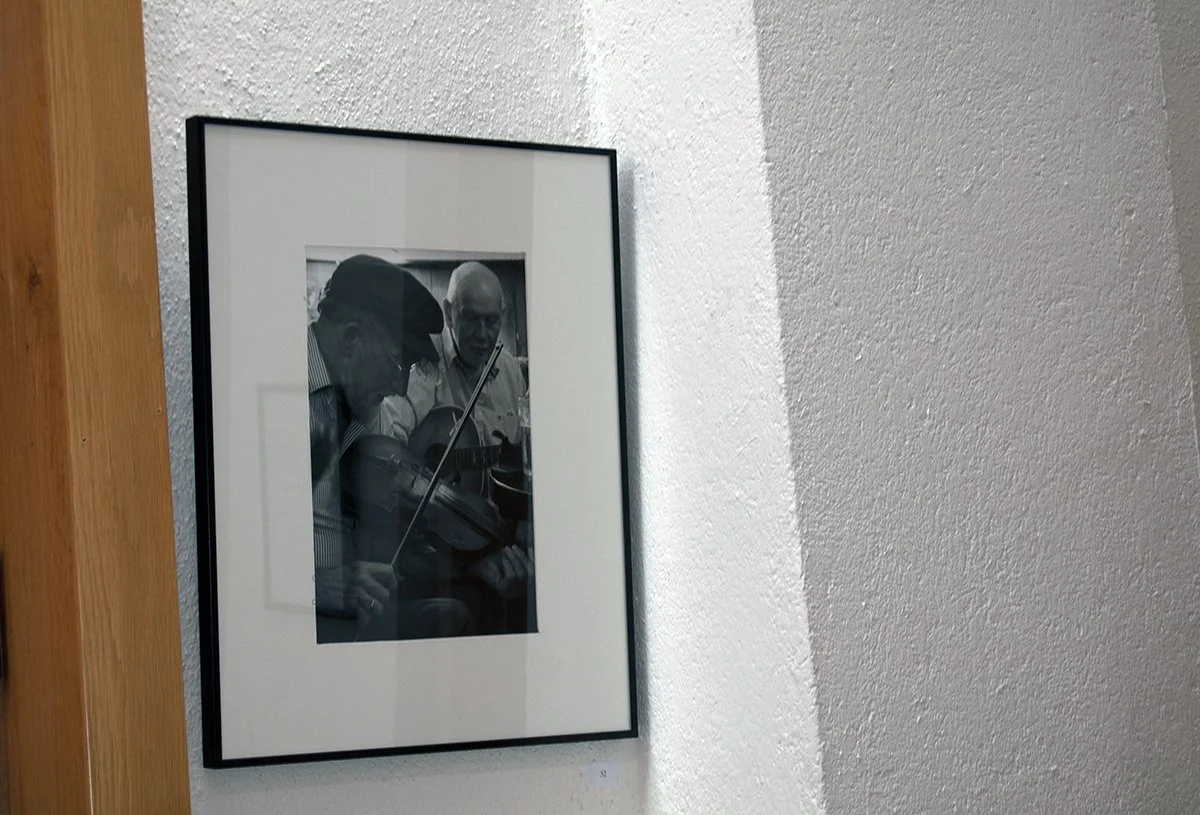
Here on the walls we have pairings of black and white gelatin-silver photographs, hand-printed by myself, and colour c-prints and archival pigment ink colour photographs, some which I hand-printed and others from top tier labs, from a vast archive I have created about the Sinai Desert, Egypt, and about Ireland and its people.
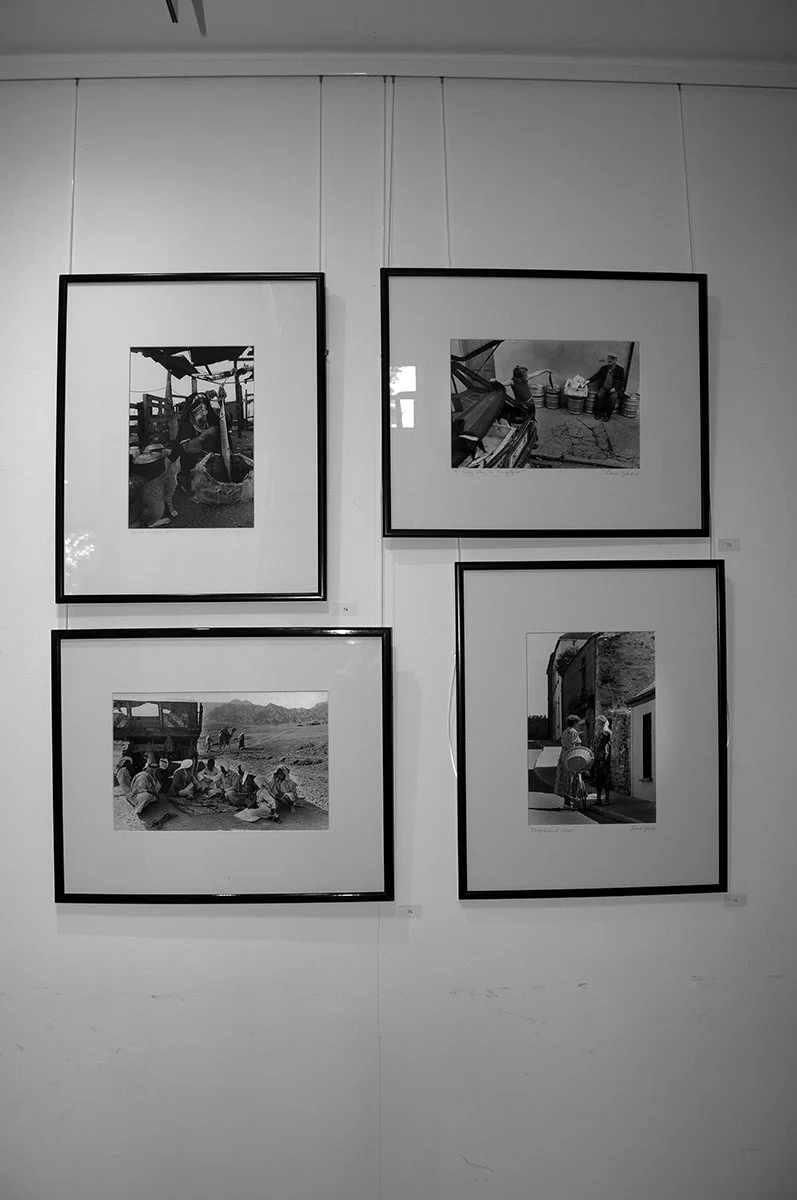
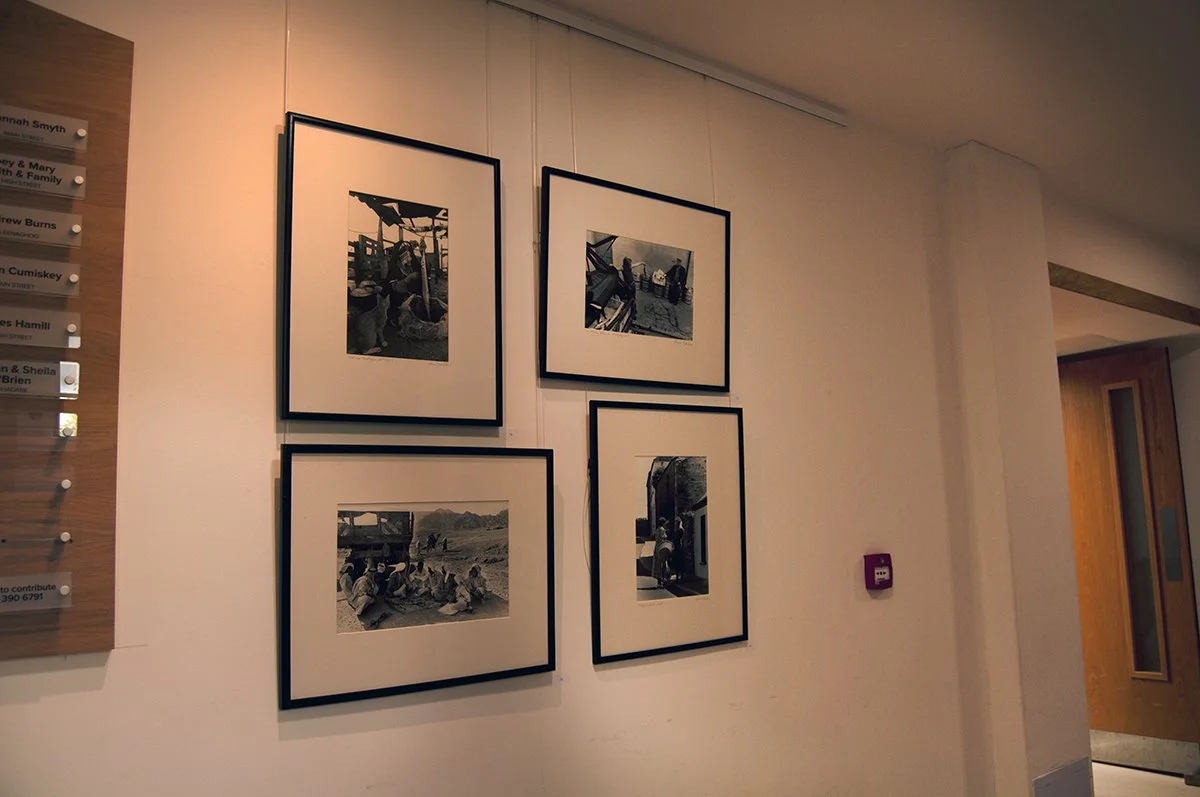
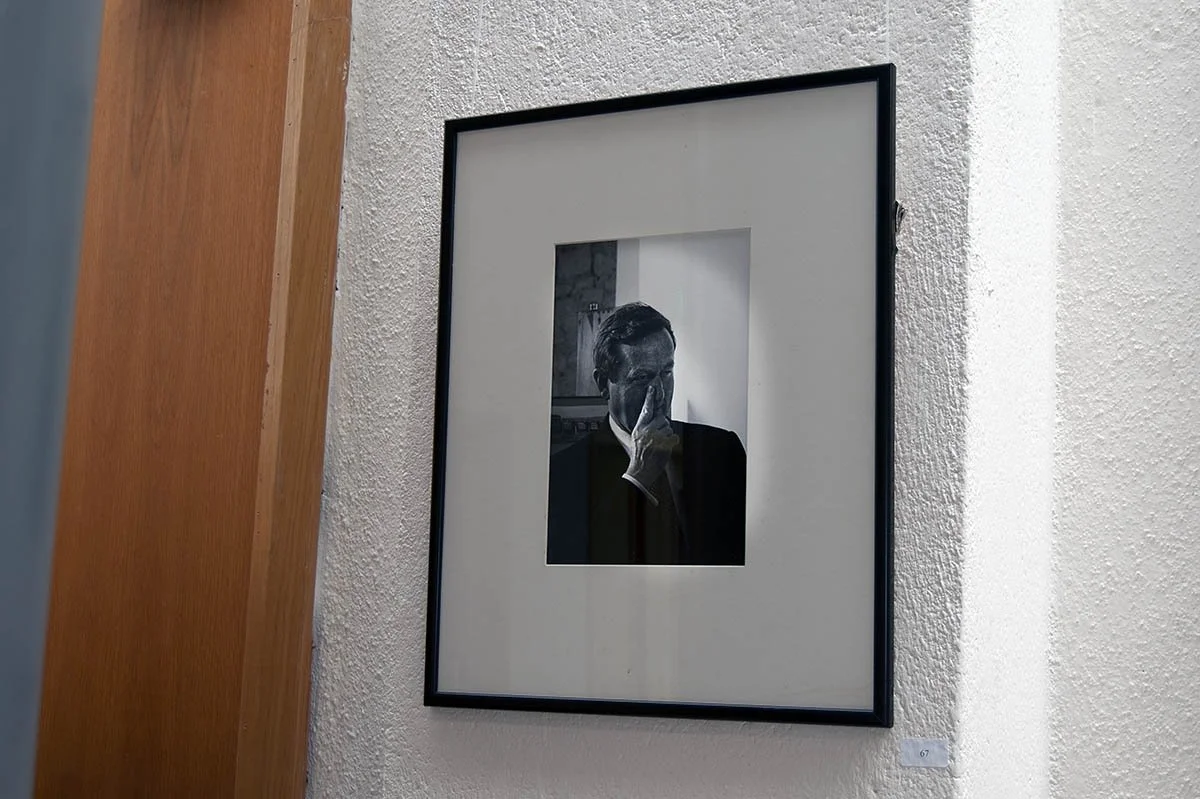
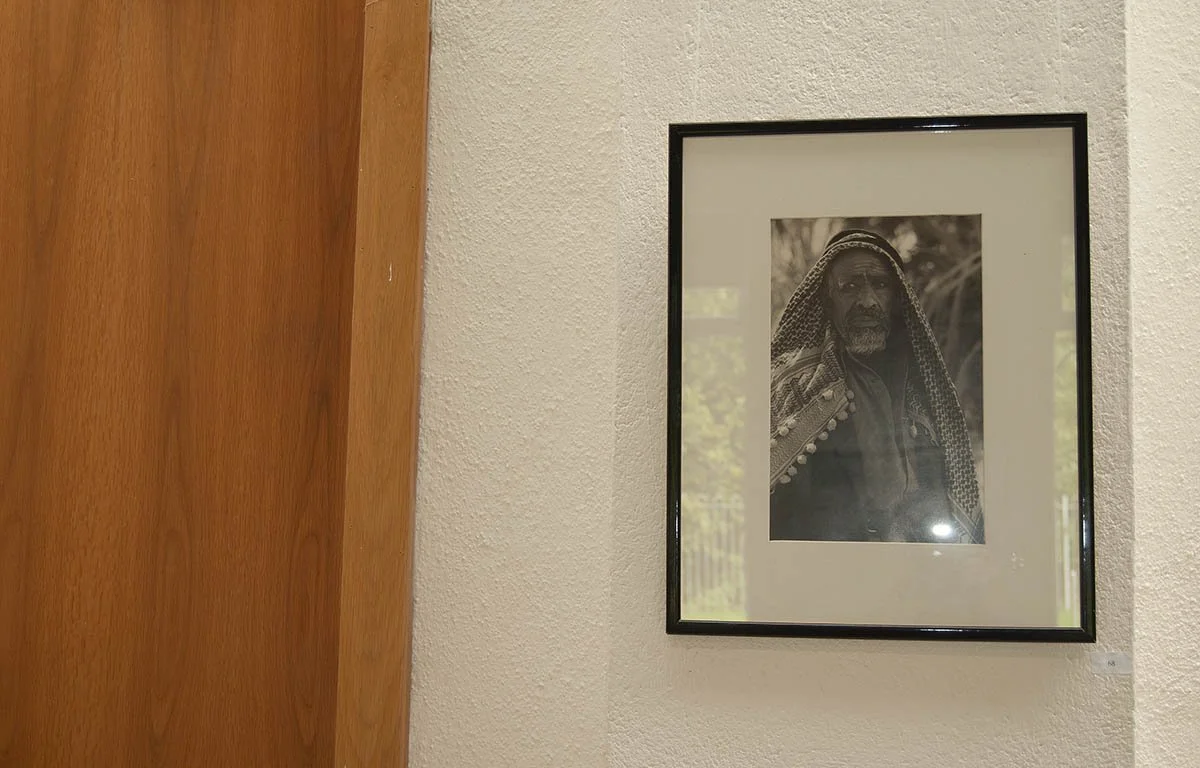
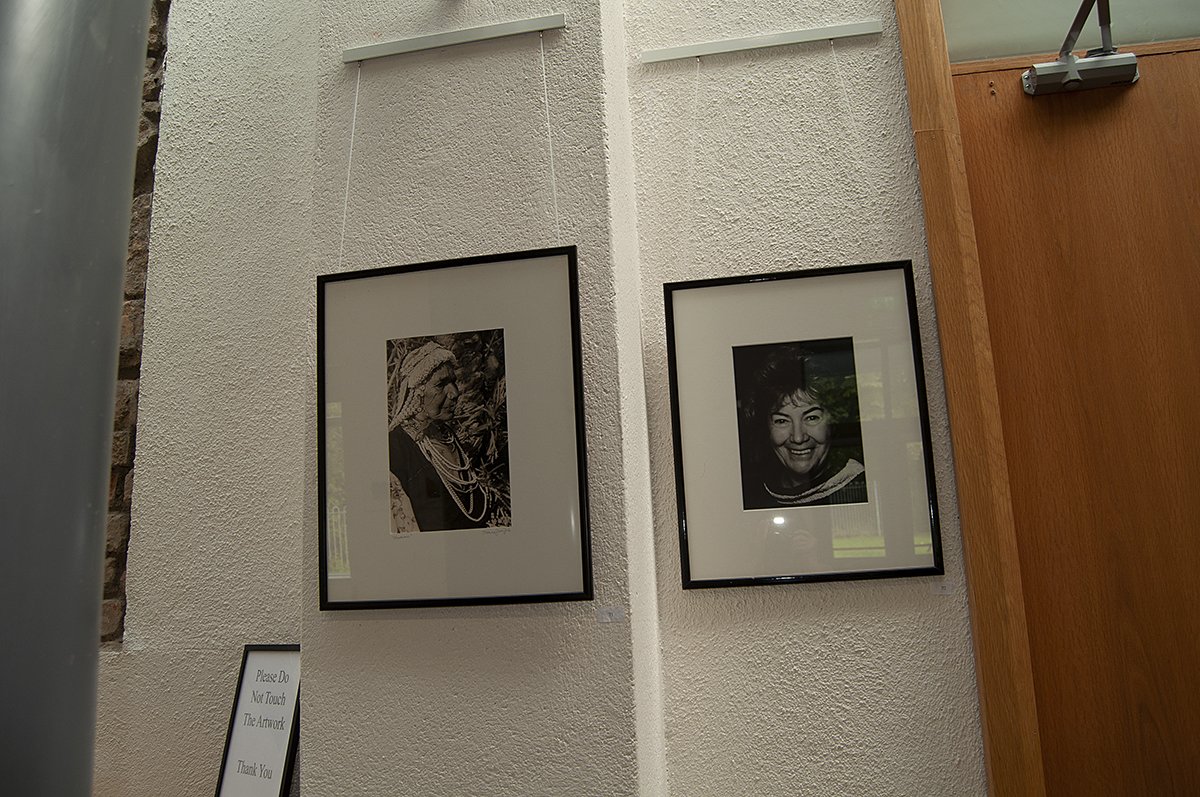
To use the phrase coined by Cardinal de Retz in his memoirs and used by famous photographer Henri Cartier-Bresson to title his first book, “Decisive Moments,” are depicted in by-gone ways of doing things by hand, unique peeks into worlds, perhaps unseen, even by their peers, in both Ireland and Sinai. The pictures comprise landscapes of austerity, portraits of elders, steeped in oral traditions of story-telling and poetry; of young entrepreneurs, exercising capitalism in a brave new world of territorialism and greed; and everyday occurrences taken in a fly-on-the-wall way that let the viewer share in their reality, while emboldening them with deeper symbolic significance.
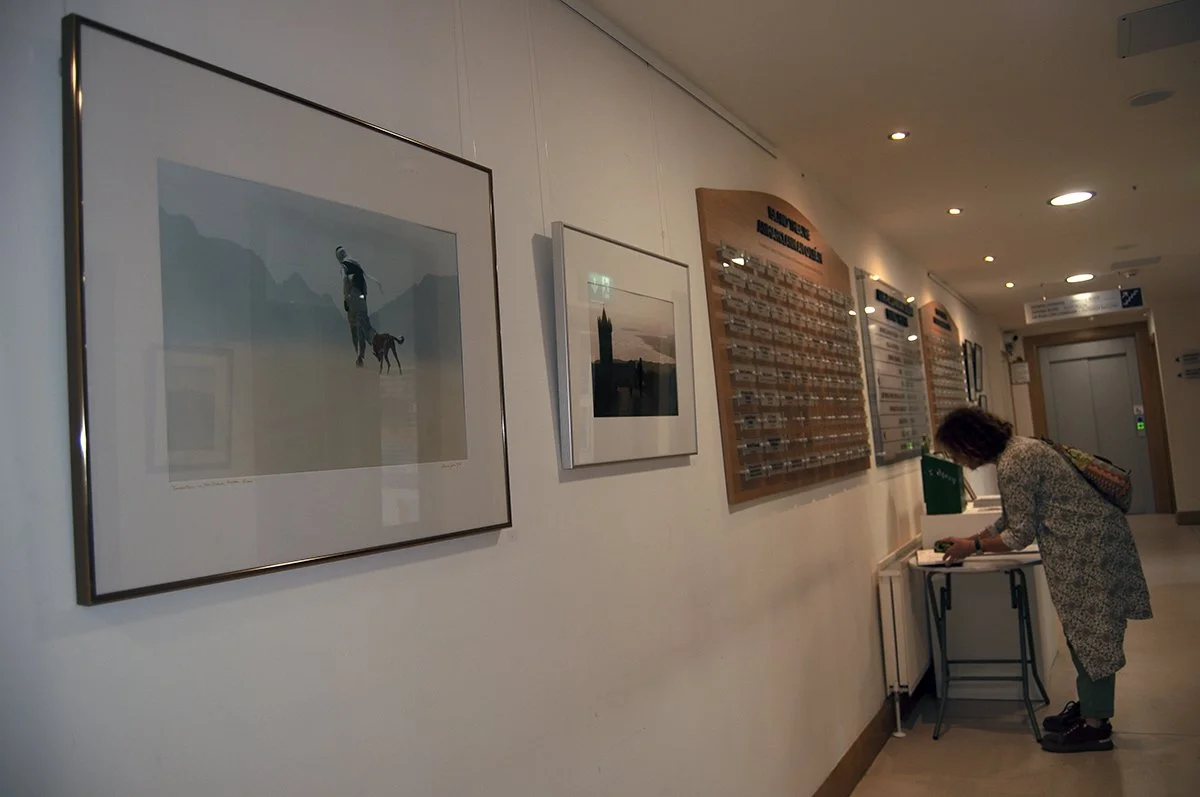
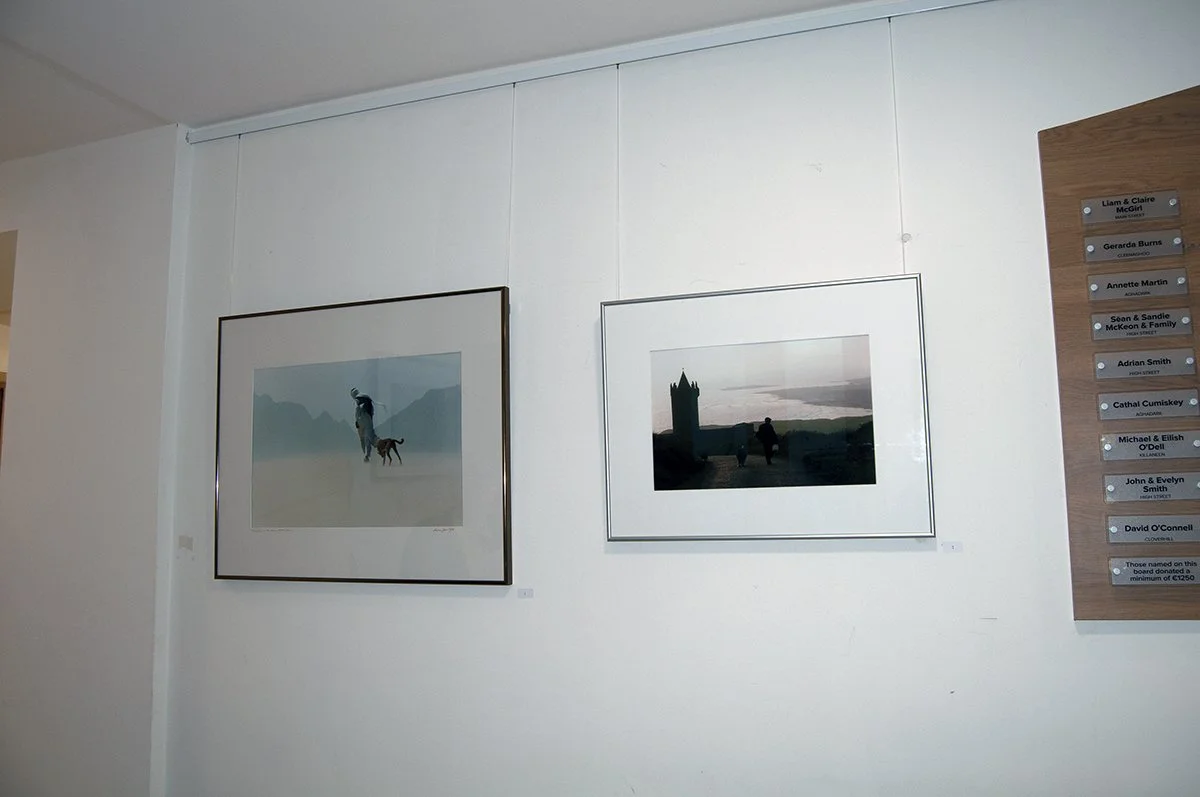
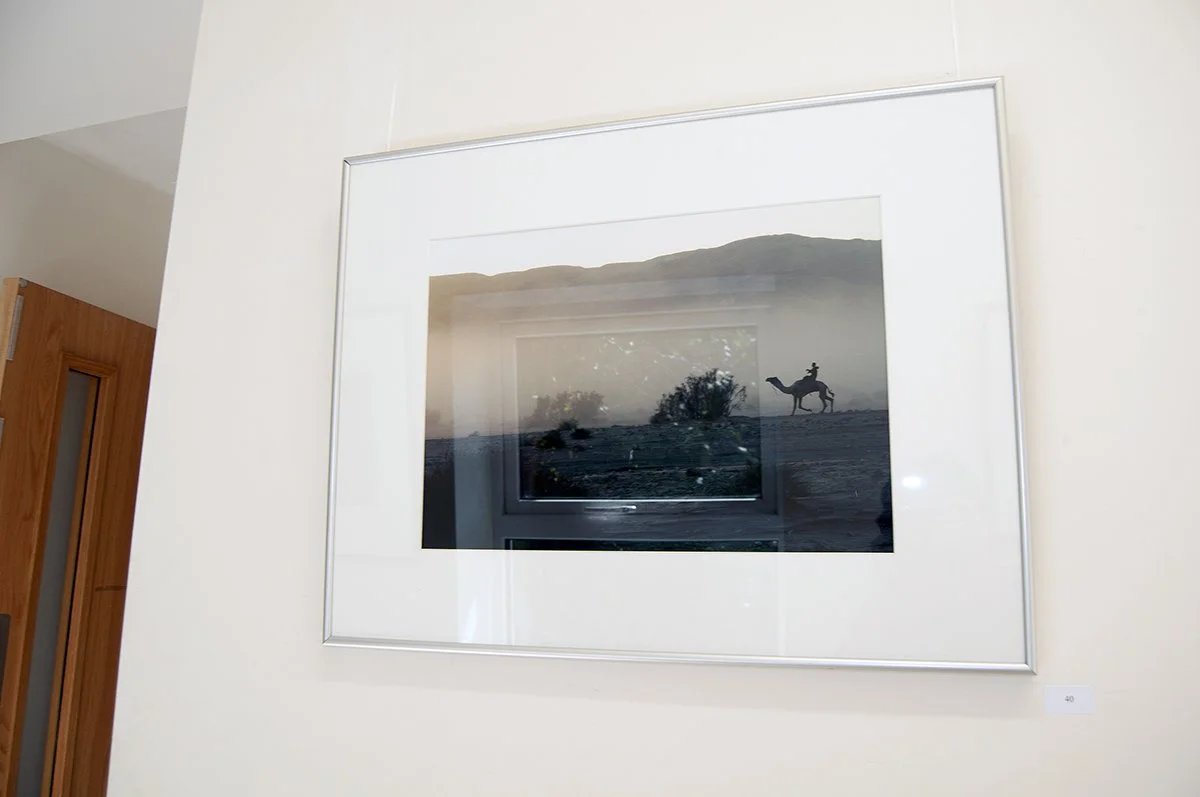
In “Sandstorm in the Duna,” the mountains of Wadi Watir are blue, cold, like the unknown future that is destiny for each of us; the sand is beige, warm like the familiar that surrounds us daily. The dog, loyally following his master, also uses him as a windbreaker. The companion piece, “Fetching View in Fanore,” also shows a dog following his master on a walk into a vast vista of distant Aran Islands spread below him, that of the beckoning uncertainty of the sea.
The Bedouin and the Irish have had to transcend the daily rigors of existence to survive through centuries. The photograph transcends its original conception to become an icon in people’s minds, symbolizing for them perhaps their own need to transcend the rigors of daily life, or the transcendence of modernity over the traditional way of life, and with it, the dissolving of traditional lifestyles into the obscurity of history.
Just as the Bedouin don’t believe in carrying many belongings, but rather that their communal memory is the important baggage, the photographs themselves are devoid of irrelevant details. They distill what reaches posterity into peak moments. The long-suffered austerity of lifestyle is also in plain view and mirrored in the spare graphics of the compositions.
As the Irish went from this austere lifestyle to the riches that the Celtic Tiger brought, changes were wrought on the expectations of society that are perhaps beyond what is being delivered in the present, with its new demands, causing anxiety and disruption. As the end of nomadism is signalled by the imperatives of modern society, the Bedouin, who made the transition from nomadism to capitalism, perhaps as fast as any on earth, are forced to confront issues of land ownership, gender equality and lifestyle changes.
Through my photographs I hope to create allegories that describe their conditions and tie them into universal ones, so that the viewer is moved regardless of any prior knowledge of their culture, and based on the aesthetics of the image. These Bedouin, a serenity-loving people, are hopefully thus not caught up in a net of prejudices and fears. The Irish are hopefully reminded of a past that gave them the strength to endure hard times.
Since the bombardment of imagery in the West is flavoured by military clashes with Middle Eastern populations, a glimpse into a Middle Eastern Society whose concerns more closely aligns with Westerners, i.e., making a living, raising a family, pursuing passions, rather than surviving in a war zone, could be helpful in bridging the gap of Western interest in Middle Eastern culture.
Sinai is a unique place where Westerners and Bedouin get along, intermarry, and are often the best of friends. Special access inside the life of the Bedouin, especially from mastering the dialects, enabled me to photograph situations normally completely off-limits to foreigners. The photographs of Irish people taken over the last 50 years are a great bridge to making that connection that we are all just people trying to live happy lives on this planet.
“Cultural SImilitudes” © 2026 Laura Jean Zito All Rights Reserved